



DOE accepted closure of former nuclear weapons complex in 2005
January 20, 2026 Estimated Read Time min
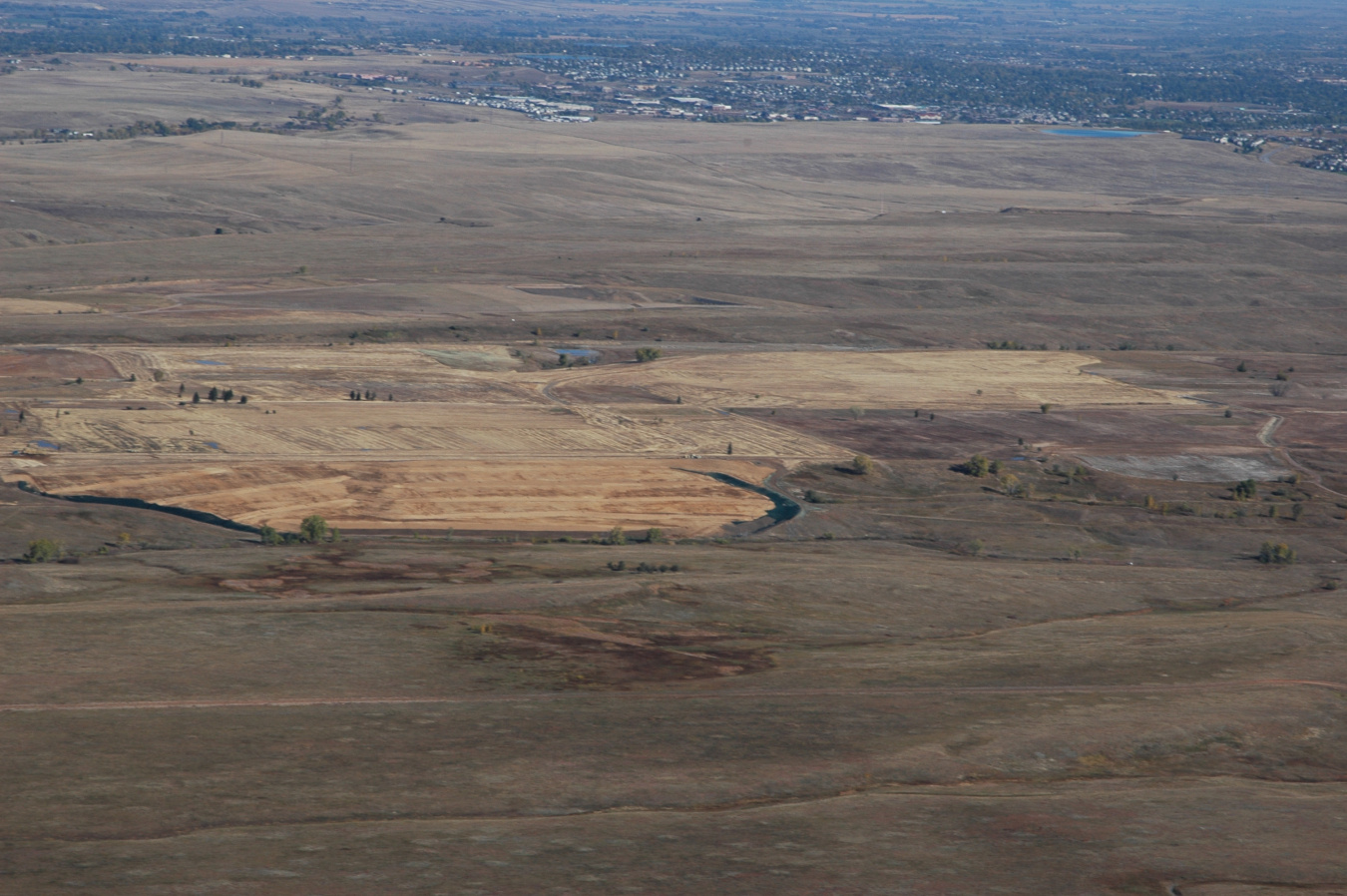
The Rocky Flats Site in Colorado has entered its third decade of long-term stewardship. The U.S. Department of Energy (DOE) certified the site’s cleanup 20 years ago on Dec. 7, 2025.
“Passing the 20-year mark of long-term stewardship is exciting,” said Site Manager Michelle Franke. “Being from the area, I’d known about Rocky Flats long before I got the opportunity to help look after it. It’s an honor to have a front row seat as Rocky Flats continues to make history.”
Beginning in 1952, the Rocky Flats Plant played an integral part in the nation’s defense, producing components for the nation’s nuclear arsenal for 40 years. It produced plutonium “pits,” bowling ball-sized shells at the core of nuclear weapons that provide the trigger for a chain reaction.
With the end of the Cold War, President George H.W. Bush announced: “We will cease production of new warheads for our sea-based ballistic missiles.” And with that, the Rocky Flats mission shifted away from production and moved to cleanup. DOE and its contractor worked with community members, elected officials, and state and federal regulators on decisions about the future of the site.
One of the decisions was to make the largely untouched former buffer zone for the weapons plant into protected open space for the public’s benefit. Congress put that vision into law with the Rocky Flats National Wildlife Refuge Act of 2001, and in 2007 over 4,500 acres were established as the Rocky Flats National Wildlife Refuge, managed by the U.S. Fish and Wildlife Service.
While the buffer zone became a wildlife refuge, the roughly 1,300-acre former production area still had residual contamination that needed looking after. In 2008, the cleaned-up site fully transitioned to DOE’s Office of Legacy Management (LM) for long-term stewardship.
Since then, LM has worked closely with the site’s regulators, the Colorado Department of Public Health and Environment and the U.S. Environmental Protection Agency (EPA) to make sure the Rocky Flats Site remains protective of human health and the environment and to fulfill post-closure responsibilities there. Regulatory decisions and determinations are documented in publicly available contact records.
Weather permitting, on weekdays subject matter experts can be found at the site, collecting samples, performing inspections, maintaining the site, and monitoring the remedy. Data and information for the site are publicly available in quarterly and annual reports. LM also hosts an annual public meeting to review the annual report and address questions about site activities.
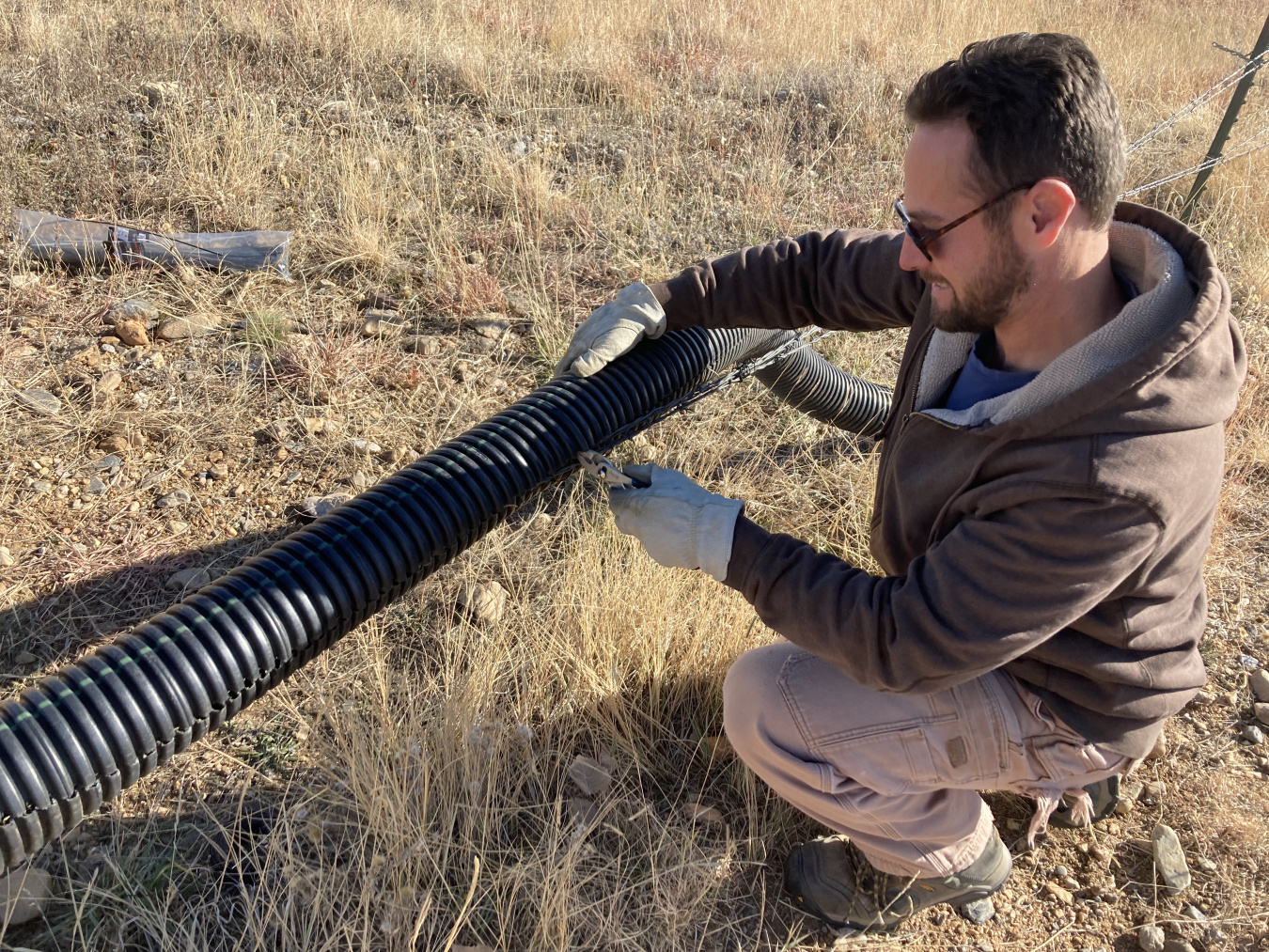
“Long-term stewardship is not a passive activity, and we’re constantly looking for improvements,” said Franke. “In 2016, we installed a solar-powered commercial air stripper to treat residual contamination. In 2020, we installed 267 12,800-pound concrete ground anchors to stabilize an old landfill. Just this last year, we installed a new treatment system that helps remove uranium from groundwater.”
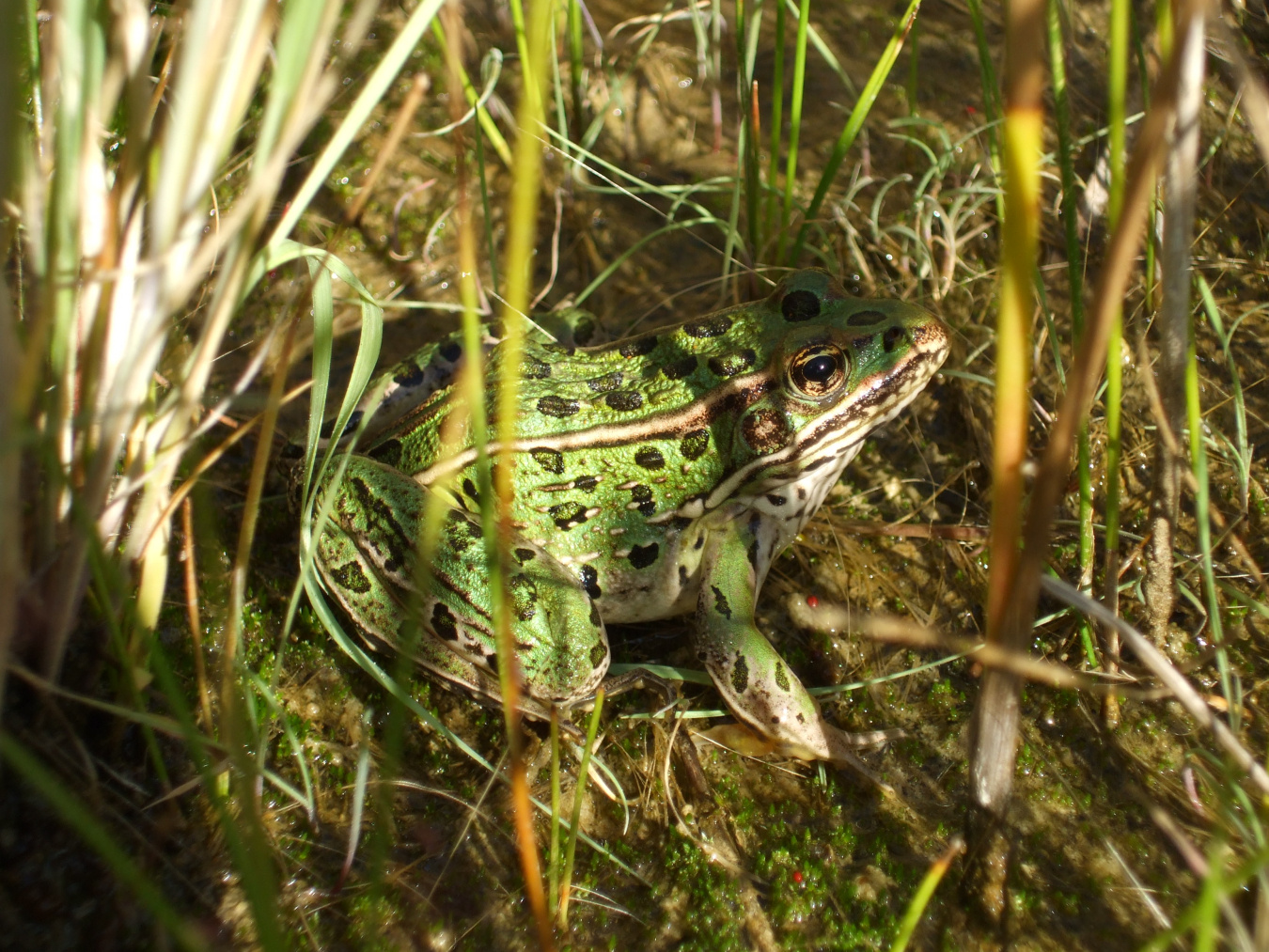
The Rocky Flats Site has come a long way over the past 20 years. From a newly cleaned-up site showing the scars of remediation, it has become a rich ecosystem with a diverse group of animals, ranging from golden eagles and western meadowlarks to northern leopard frogs and western painted turtles. It is home to a rare xeric tall grass prairie and over 600 species of plants. In 2021, EPA recognized the site with a Federal Facility Excellence in Site Reuse Award for providing habitat for migratory wildlife and the Refuge for offering recreational opportunities to the surrounding communities.
“Rocky Flats is a special place,” observed Franke. “I can’t wait to see what the next 20 years brings.”