



Learn about the ongoing air monitoring activities at SSFL that helps inform decisions for a safe cleanup at the site.
Energy Technology Engineering Center
December 8, 2025 Estimated Read Time min
Air monitoring is one of many ongoing activities at the Santa Susana Field Laboratory (SSFL), where the Department of Energy (DOE) formerly operated the Energy Technology Engineering Center (ETEC) in Area IV.
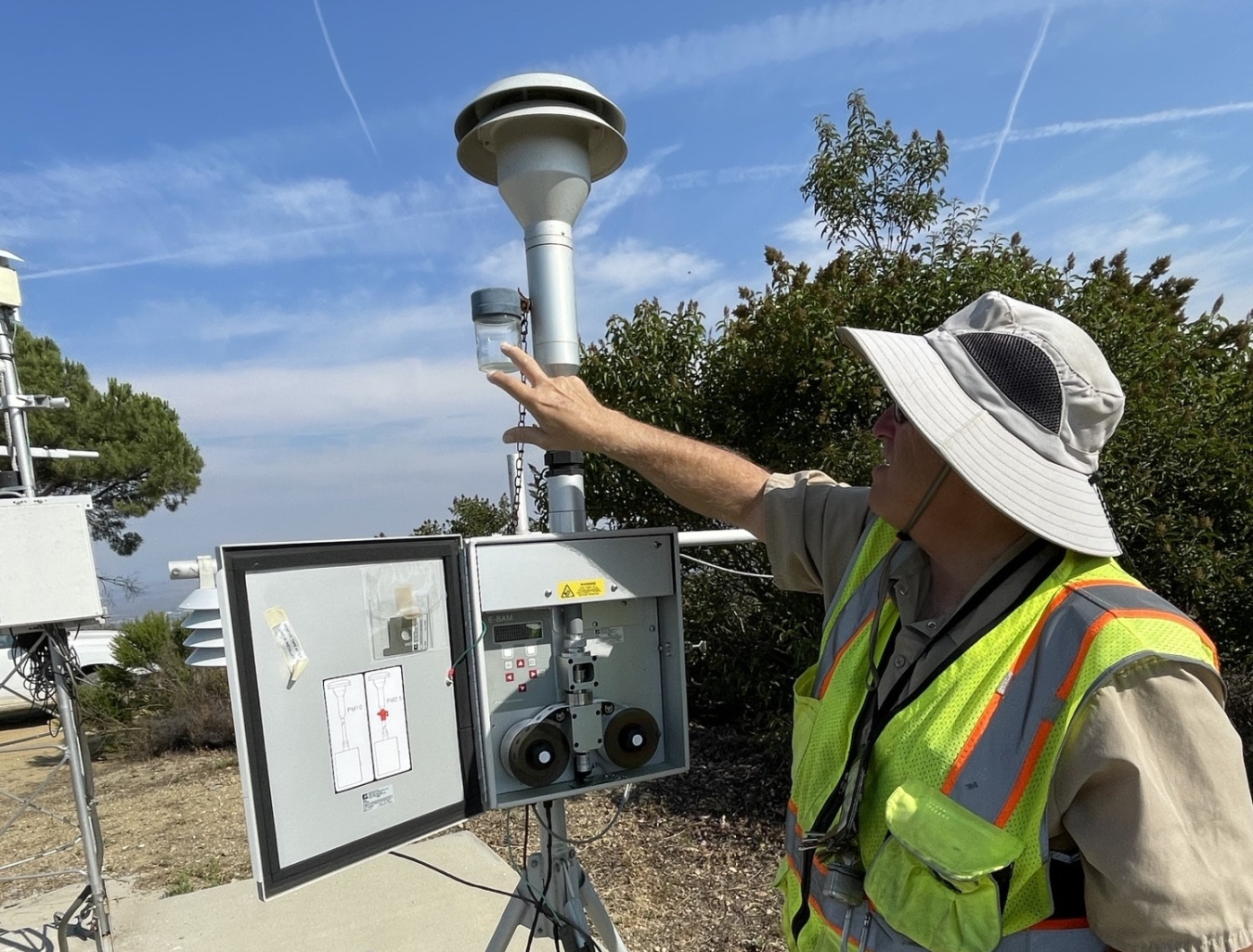
DOE began conducting perimeter air monitoring in April 2018 to establish the baseline conditions of air quality for use during remediation activities at SSFL. That baseline – which includes amounts of particulate matter, volatile organic compounds (VOC) and radionuclides – helps distinguish between contributions from site remediation activities and regional air quality, both naturally occurring and from other local activities.
Stewart Williford, ETEC facility manager, said there are four perimeter air monitors that were installed in 2018 and two additional site-specific radiological air monitors that have been operating for at least 15 years when he began working at SSFL.
All six monitors operate continuously to collect data related to particulate matter in the air, Williford said. In addition to monitoring particulates, air samples are collected at the four perimeter locations using vacuum canisters and tested for VOCs.
The data is then used to help inform decisions for a safe cleanup at SSFL that protects the public.
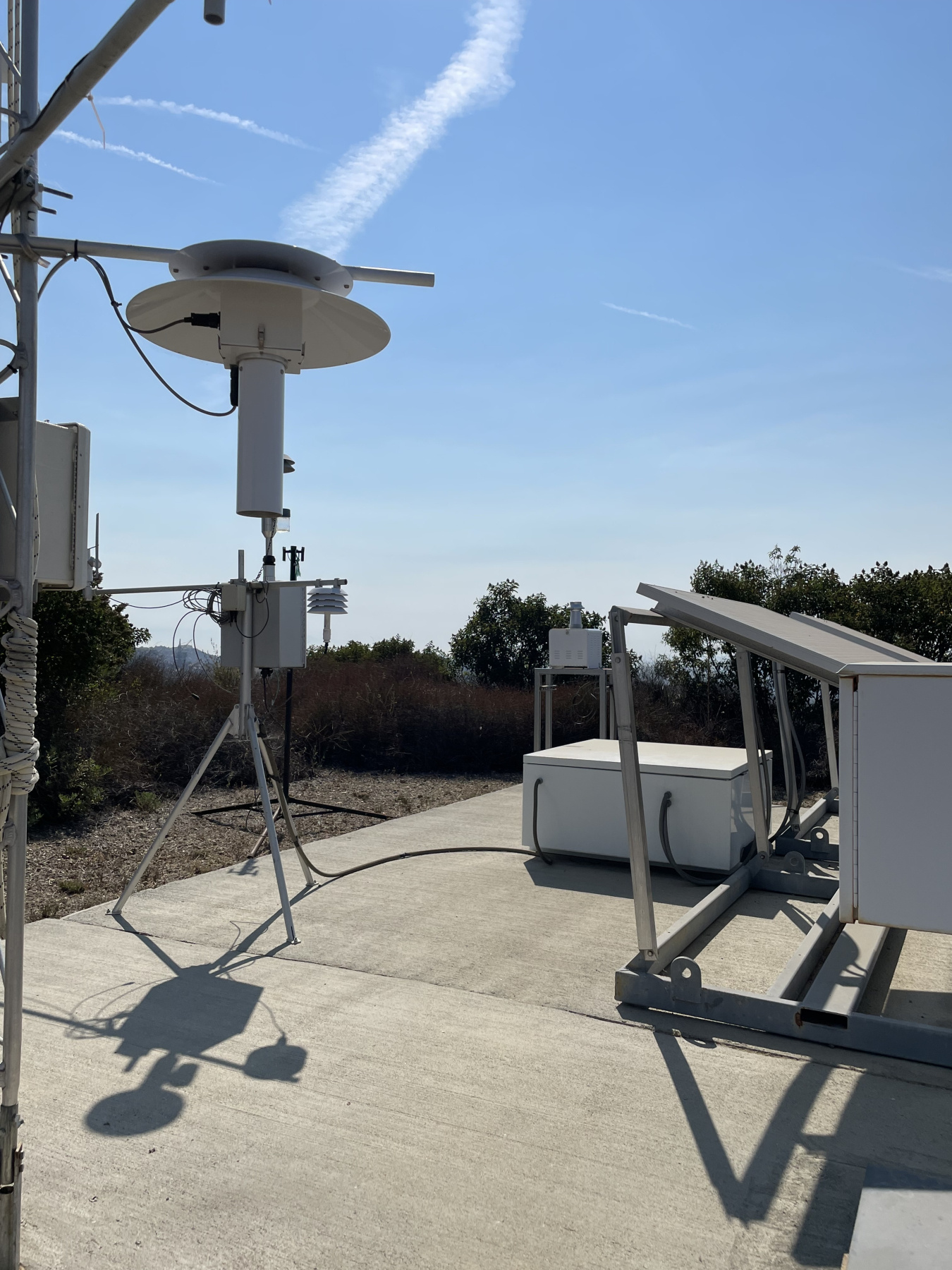
“Once we do start digging for soil remediation, we’ll dig up spots we know are contaminated and we want to make sure none of that dust is leaving the site,” Williford said.
The data is compiled into quarterly reports for the California Department of Toxic Substances Control (DTSC), the state regulator overseeing final cleanup plans for SSFL, and posted online allowing the public to review the data.
While DOE is currently working with DTSC on plans to continue its soil and groundwater cleanup, other remediation has taken place over the years, including the completed demolition of all above-ground DOE-owned buildings in October 2021.
The air monitors are also used to analyze any potential radiological activity, said Lucas Ray, a radiological technician who has worked at SSFL since 2018. The particulates are collected on glass fiber filters that are changed twice a week in the perimeter monitors and once a week in the site-specific monitors.
The samples are then tested onsite for gross alpha and beta radiation, Ray said. The samples are also sent to an offsite laboratory for a full isotopic analysis, which shows if any specific radionuclides were detected.
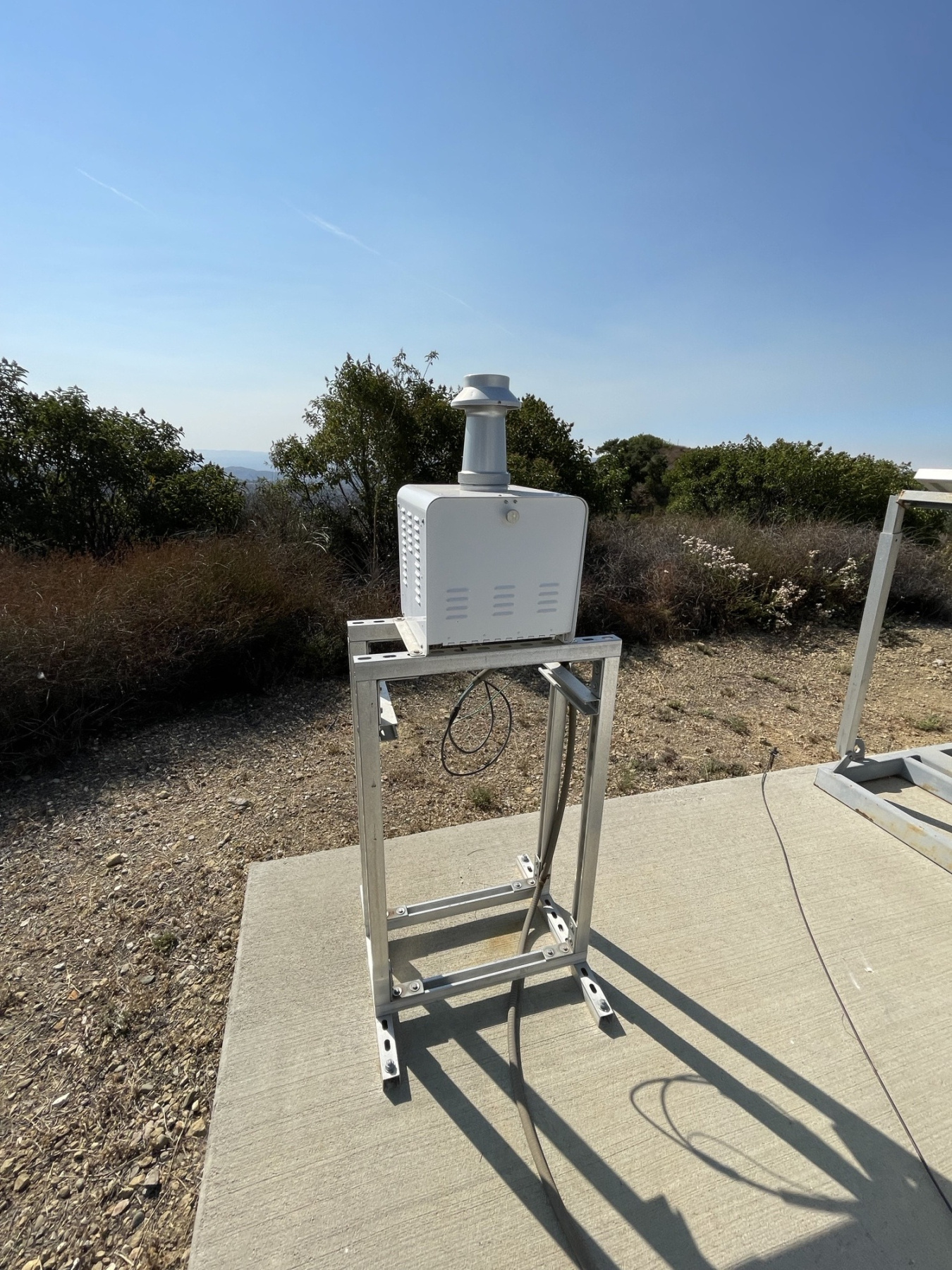
“Every location in the world has a different background of what is normal levels of radioactive materials for that area, and we’ve established that normal background by running the air monitors for so long,” Ray said.
“We’ve never had anything remotely close to our threshold, but when we send samples offsite, the laboratory has a way
more sensitive piece of equipment that can see very, very small amounts. Sometimes we do see data above minimum detectable concentrations.”
Weather conditions can also cause data to go above the minimum concentrations, Williford said.
“A lot of the time when we see elevated amounts of a particulate in the air, you can review the data and see that there were high winds or smoke from regional wildfires that correlate with that timing,” he said.
Williford added that there’s a meteorological tower stationed next to one of the perimeter monitors that captures data on wind direction and speed, relative humidity, barometric pressure and rain levels.
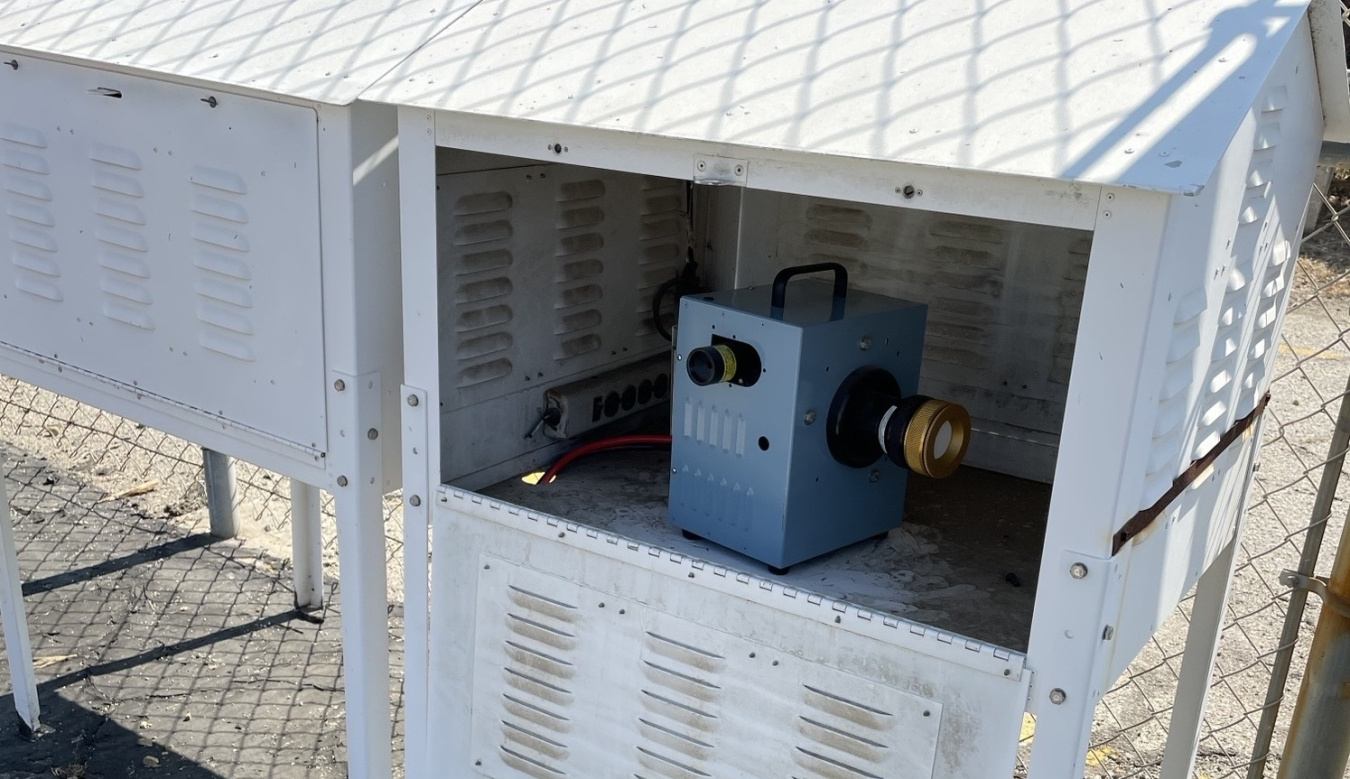
Data from the air monitors is compiled in DOE’s Annual Site Environmental Reports (ASER) that summarize environmental protection activities conducted yearly at ETEC.
Last year, 407 radiological samples were collected from the perimeter air monitors to determine if any events required further investigation and none was needed, according to the 2024 ASER.
The filters from all six radiological air monitors are also sent to an offsite laboratory quarterly for radioactive isotopic analysis.
Read more about DOE’s environmental monitoring activities.
-Contributor: Melissa Simon