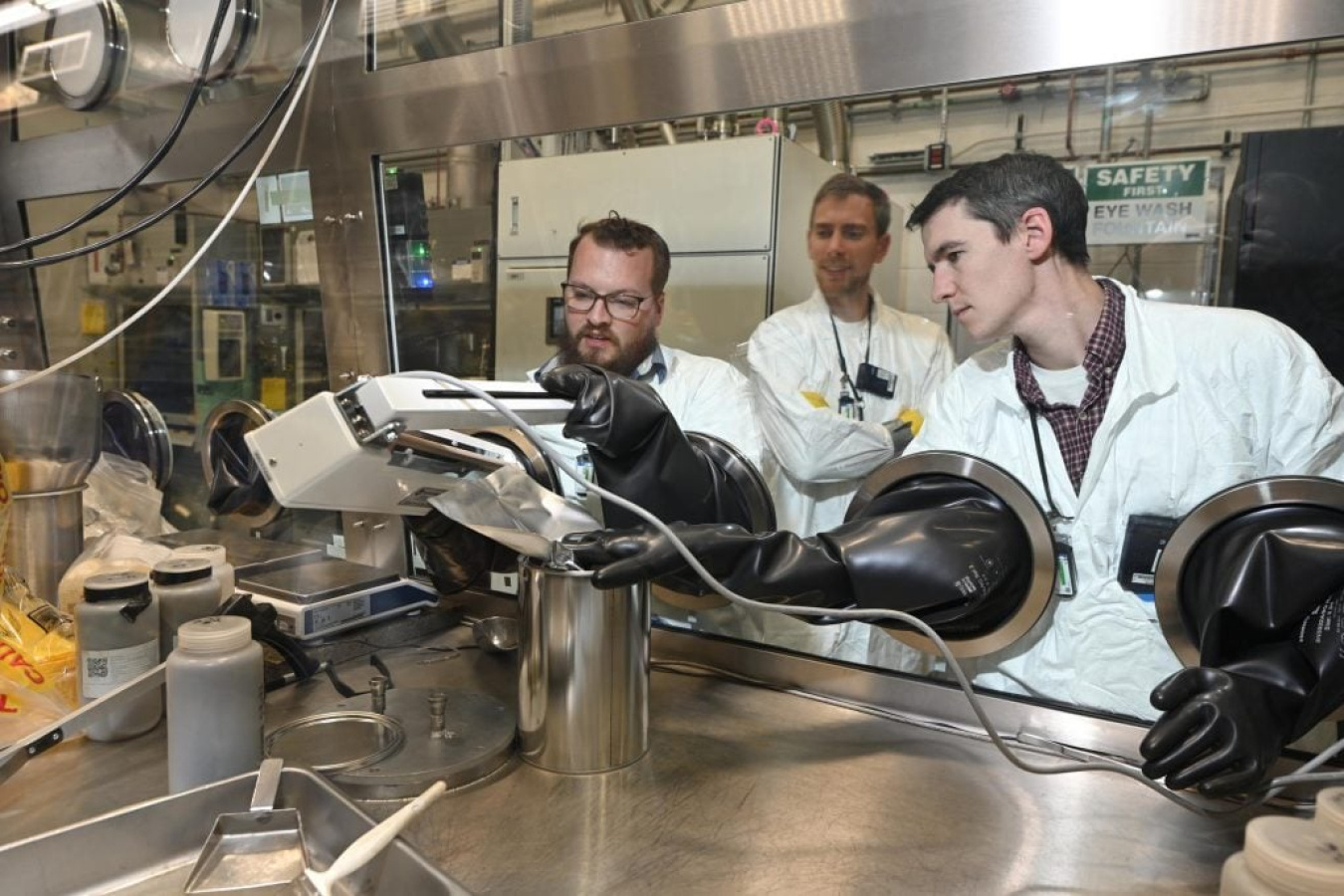
Researchers at Idaho National Laboratory have successfully created the first batch of fuel salt for the Molten Chloride Reactor Experiment.
December 3, 2025 Estimated Read Time min

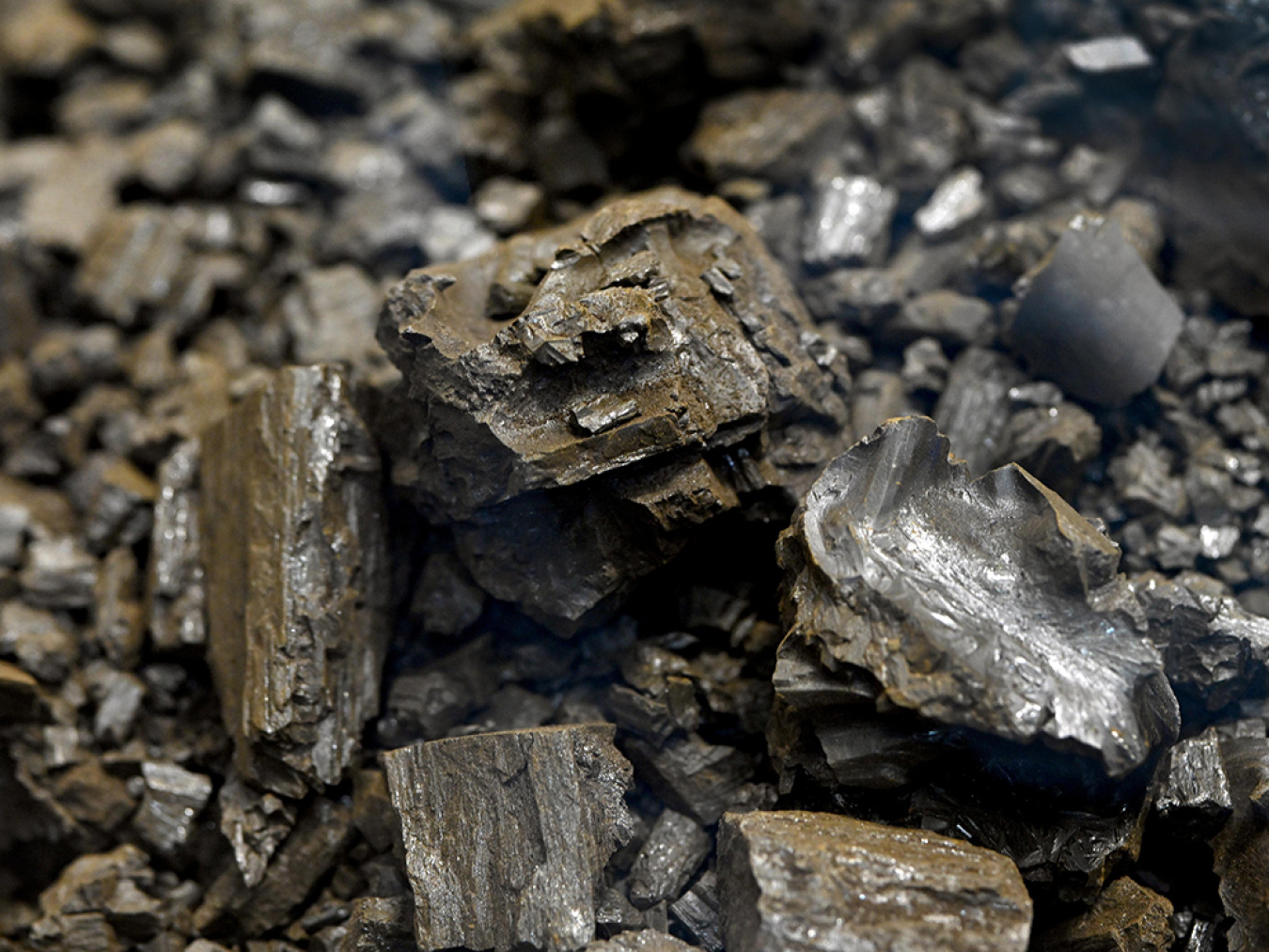
Researchers at Idaho National Laboratory (INL) successfully created the first batch of fuel salt for the world’s first fast-spectrum, salt-fueled reactor test.
The new fuel salt synthesis line is a major step for the Molten Chloride Reactor Experiment (MCRE) and research that supports the future commercial deployment of a new class of advanced reactors.
Scaling Up to Success
MCRE will require a total of 72 to 75 batches of fuel salt to go critical, making it the largest fuel production effort at INL since the operations of Experimental Breeder Reactor-II more than 30 years ago.
The full-scale demonstration of the new fuel salt synthesis line for MCRE was made possible by a breakthrough in 2024.
After years of testing, the team found the right recipe to convert 95 percent of uranium metal feedstock into 18 kilograms of uranium chloride fuel salt in only a few hours — a process that previously took more than a week to complete.
“This is the first time in history that chloride-based molten salt fuel has been produced for a fast reactor,” said Bill Phillips, technical lead for salt synthesis. “It’s a major milestone for American innovation and a clear signal of our national commitment to advanced nuclear energy.”
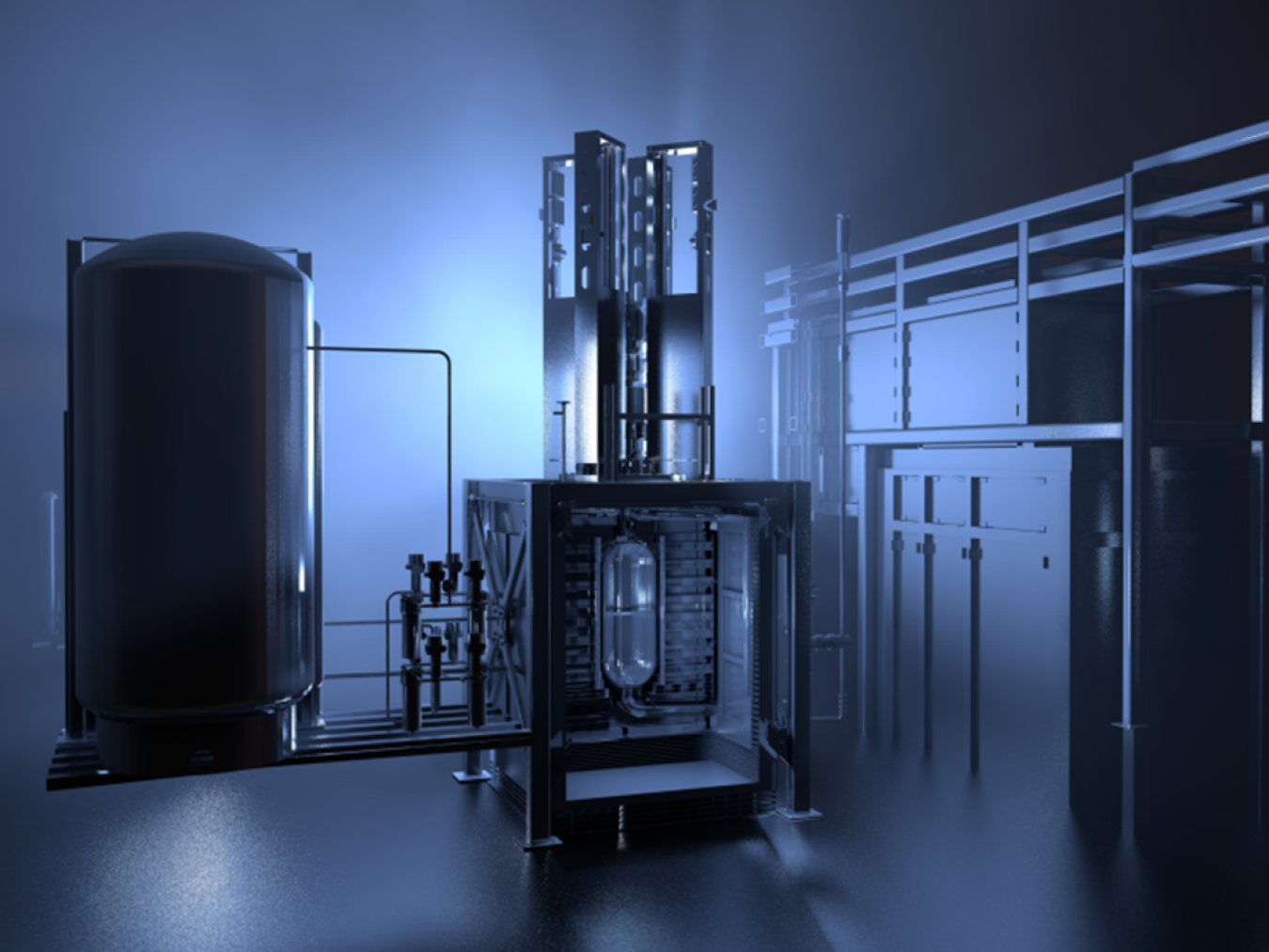
MCRE is a molten-chloride fast reactor design that uses liquid salt as the fuel and the coolant, allowing for high operating temperatures to efficiently produce heat or electricity.
Results from MCRE will help inform the commercial deployment of TerraPower and Southern Company’s Molten Chloride Fast Reactor that could be deployed in the 2030s with potential uses for both terrestrial and maritime applications.
What’s Next?
After delivering the first batch of fuel salt this fall, the team anticipates delivering four additional batches by March of 2026.
MCRE is anticipated to run in 2028 for approximately six months at INL in the Laboratory for Operation and Testing (LOTUS) in the United States test bed.
MCRE is one of several advanced reactor projects supported by the U.S. Department of Energy to unleash more affordable, reliable, and secure American energy in the United States.