What Are the Benefits of Living Near Wind Farms?
Wind energy projects offer many advantages to the communities that host them, including job creation, tax and land-lease revenue, and, of course, affordable, homegrown electricity.
Wind energy project developers can also offer community benefit agreements and related funds and investments, which serve as voluntary mechanisms to provide additional financial and/or nonfinancial benefits for communities impacted by wind energy projects. These agreements and similar mechanisms are currently the subject of much attention and discussion in the renewable energy field, particularly regarding offshore wind development. Our guide to wind energy benefit agreements shows examples of agreements and explains how communities can discuss such compensation while supporting wind energy.
Are there Potential Concerns of Living or Working Near Wind Farms?
Neighbors of existing or proposed wind projects may also have questions about the turbines or development. Topics of potential concern include sound; shadow flicker; radar, TV, and radio signal interference; and impacts to other uses or industries. Before making decisions regarding whether a wind project installation is appropriate in a given location, it is important to assess these potential impacts. A properly sited wind project can coexist within the community with minimal intrusion.
Siting issues are typically addressed during the planning process, during which the developer uses computerized tools and experience gained from the more than 71,000 wind turbines installed in the United States to evaluate impacts relative to the site and the surrounding community. The siting process, including detailed community dialogue, should identify measures that may be required to minimize or mitigate any problems identified. Although the potential impacts will vary by project, WINDExchange provides credible information for landowners, community decision-makers, and the interested public about siting topics such as the following.
However, when properly located (or properly sited, in industry terms), wind energy projects can power communities or the grid with few drawbacks. Wind energy project developers also work with landowners and community decision makers to assess potential advantages and concerns when deciding whether a wind energy project is right for a given location. Check out the National Laboratory of the Rockies' Land-Based Wind Energy Siting: A Foundational and Technical Resource, to learn more about wind energy site selection.
During the wind energy project development phase, after developers have determined a location has potential for a wind energy project, developers will work with surrounding communities to minimize or mitigate any negative impacts.
Key Resources
Sign up to receive updates about WINDExchange and other topics from the Integrated Energy Systems Office.
Related Topics
-
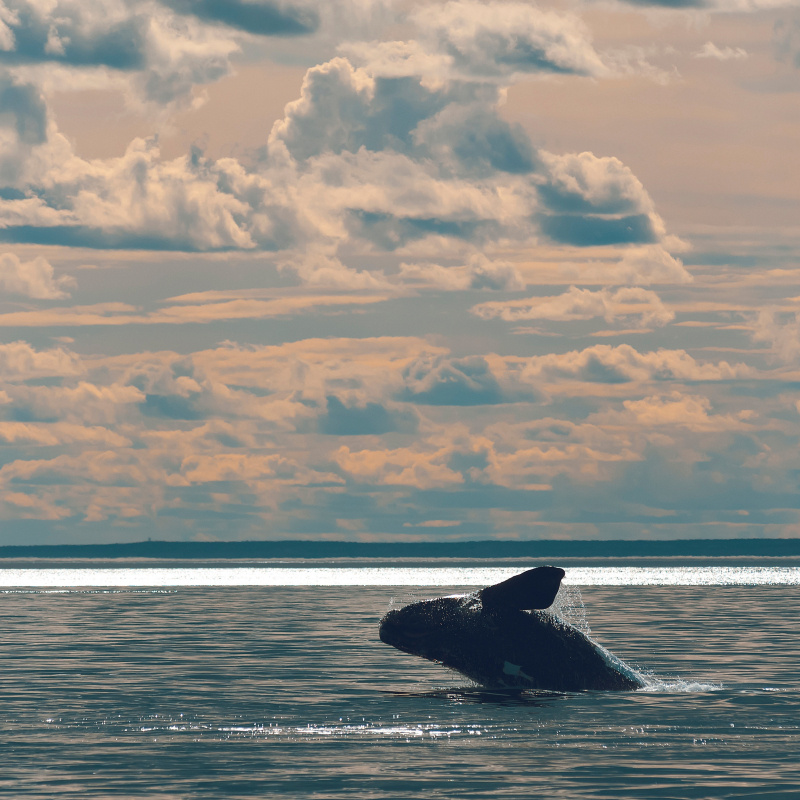 The Wind Energy Technologies Office is exploring the relationship between wildlife and wind turbines.
 -
-
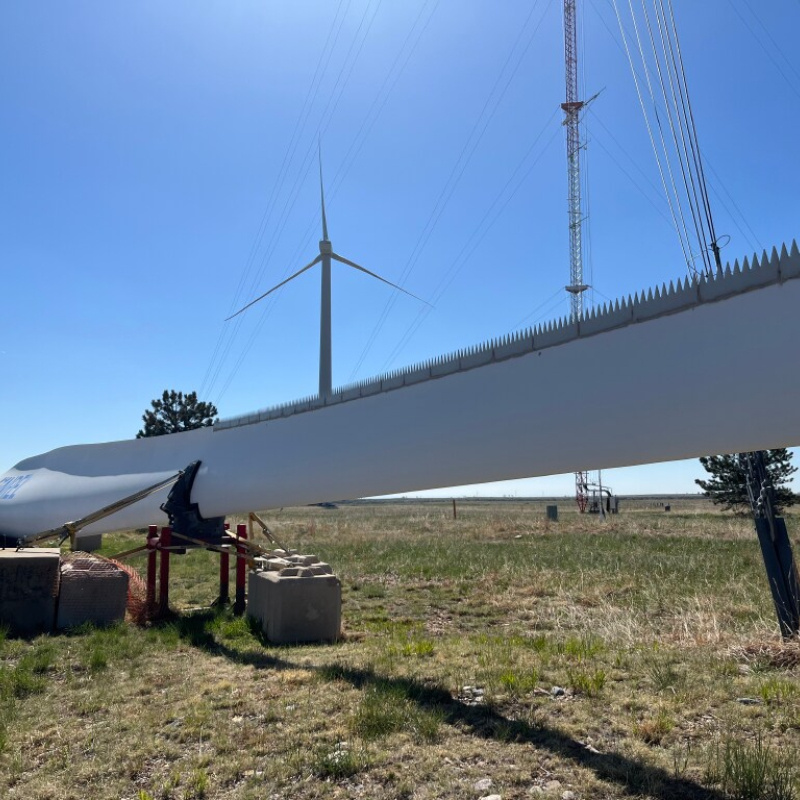 A new Berkley Lab analysis finds that despite an expected future reduction in the number of turbines per power plant, the total estimated annual energy output of wind plants will increase due to larger, more powerful wind turbines.