



RICHLAND, Wash. – The U.S. Department of Energy Hanford Field Office submitted two permit modification requests to the Washington State Department of Ecology that could accelerate cleanup and save American taxpayers billions. These requests represent the latest step in a science-backed dual glass-plus-grout strategy to eliminate risks posed by aging tanks and meet cleanup commitments to the people of Washington more quickly, safely and efficiently.
The U.S. Department of Energy has finalized the Waste Incidental to Reprocessing determination for selected tank waste in Hanford’s 200 West Area, establishing that treated waste from the S, SX and U Tank Farms may be managed as low-level radioactive waste in accordance with DOE requirements. July 31, 2026
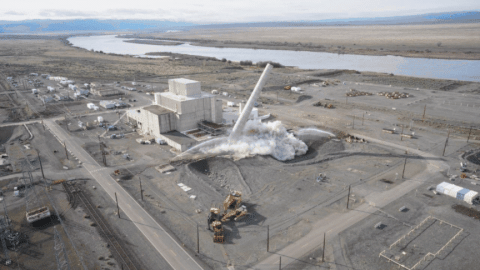
The U.S. Department of Energy and its regulatory partners have launched a new planning framework that reshapes how cleanup work at the Hanford Site is prioritized and delivered. July 21, 2026
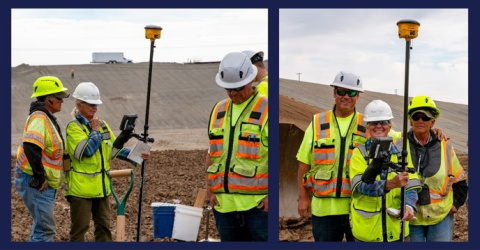
For more than 50 years, Marilyn Broek has built a career rooted in hard work, expertise and a deep commitment to protecting the environment. May 26, 2026
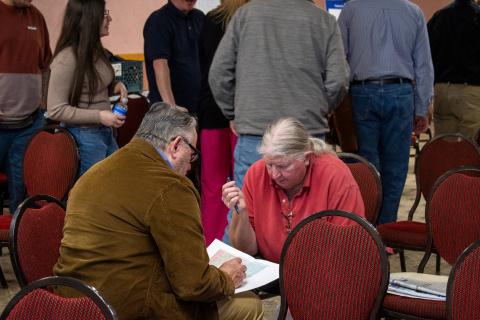
Participants at a recent public forum received an update on the Hexavalent Chromium Campaign from the U.S. Department of Energy’s Environmental Management Los Alamos Field Office and legacy cleanup contractor Newport News Nuclear BWXT-Los Alamos LLC. April 7, 2026
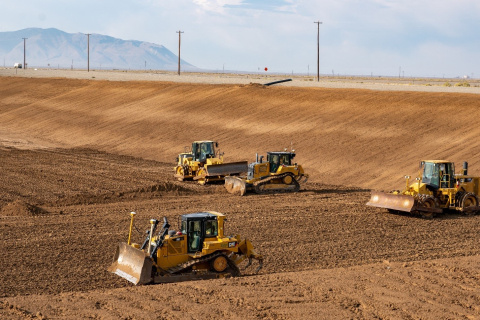
The Idaho Cleanup Project is expanding a disposal facility by constructing a third cell to support the U.S. Department of Energy's Office of Environmental Management mission here for the next 30 years. March 10, 2026
Strengthening America’s Nuclear Energy Independence
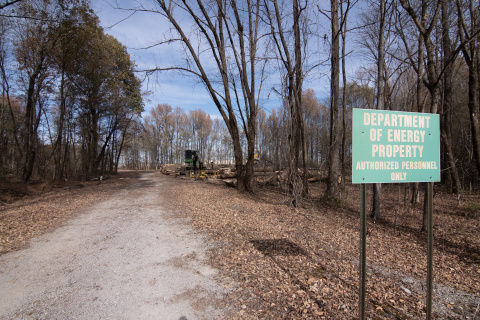
U.S. Department of Energy Office of Environmental Management crews have begun clearing trees at the Paducah Site to prepare for new tenant General Matter to eventually build a uranium enrichment plant on about 100 acres of leased land. February 3, 2026
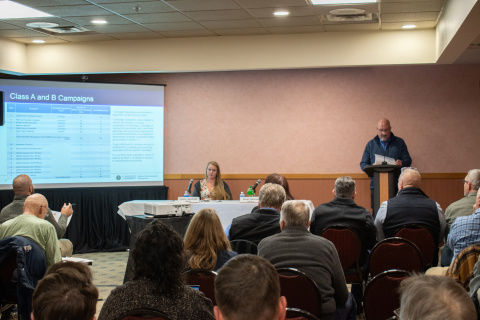
The Environmental Management Los Alamos Field Office and New Mexico Environment Department recently hosted the Annual Public Meeting for Cleanup of Los Alamos National Laboratory Legacy Waste. January 27, 2026
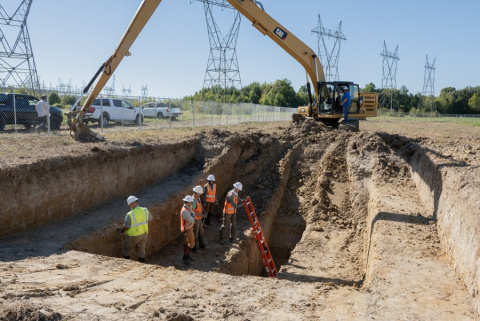
The U.S. Department of Energy Office of Environmental Management partnered with a University of Kentucky consortium and research center to complete field work culminating a larger investigation that provides valuable geologic data for upcoming cleanup decisions at the Paducah Site. January 13, 2026