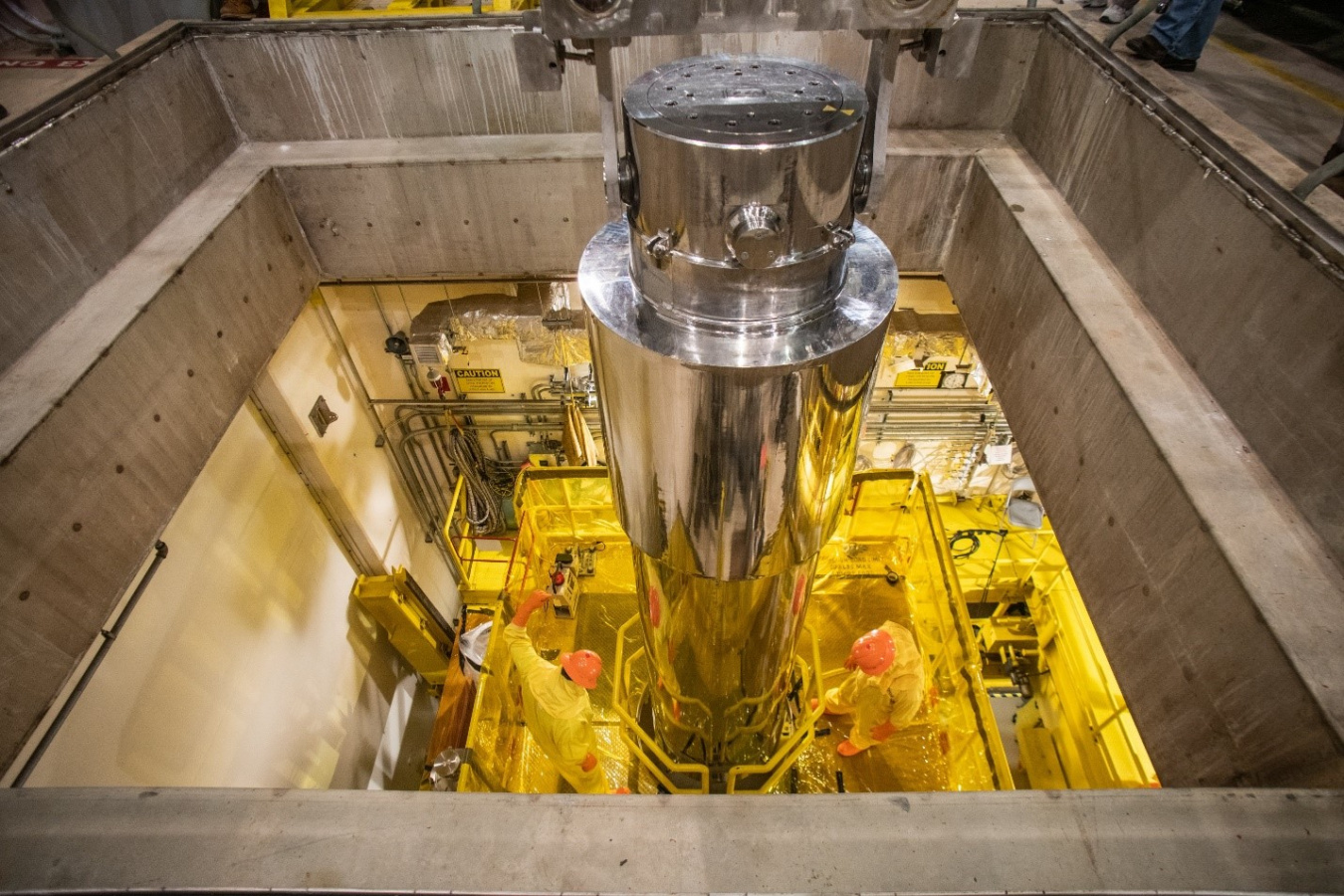
NNSA achieved a significant milestone by completing a record number of 13 tritium extractions within nine months, spanning fiscal year (FY) 2025 and 2026. Tritium, an isotope of hydrogen, is a key element in nuclear weapons.
National Nuclear Security Administration
January 23, 2026 Estimated Read Time min
WASHINGTON – The U.S. Department of Energy’s National Nuclear Security Administration (DOE/NNSA) achieved a significant milestone by completing a record number of 13 tritium extractions within nine months, spanning fiscal year (FY) 2025 and 2026. Tritium, an isotope of hydrogen, is a key element in nuclear weapons.
“This record achievement in tritium extractions demonstrates what the Nuclear Security Enterprise can achieve when we operate with urgency and focus. The successful delivery of tritium is essential to meeting the Department of War’s deterrent requirements and delivering President Trump’s peace through strength agenda,” said NNSA Administrator Brandon Williams. “This accomplishment significantly strengthens our national security and reinforces the strategic readiness of our deterrent mission.”
Savannah River Tritium Enterprises (SRTE), operated by Savannah River Nuclear Solutions (SRNS) for NNSA, extracts the tritium. SRTE’s facilities provide a unique capability to safely increase production and effectively execute tritium missions. The previous record for extractions was eight extractions in twelve months, spanning FY 2022 and FY 2023.
“SRNS is proud to build on its 75-year legacy of operational excellence in delivering nuclear materials to NNSA and the Department of War in support of our nation’s nuclear deterrent,” said Nick Miller Senior Vice President of the NNSA Tritium Operations and Programs for SRNS. “This accomplishment is only possible thanks to the hard work and dedication of the SRTE workforce.”
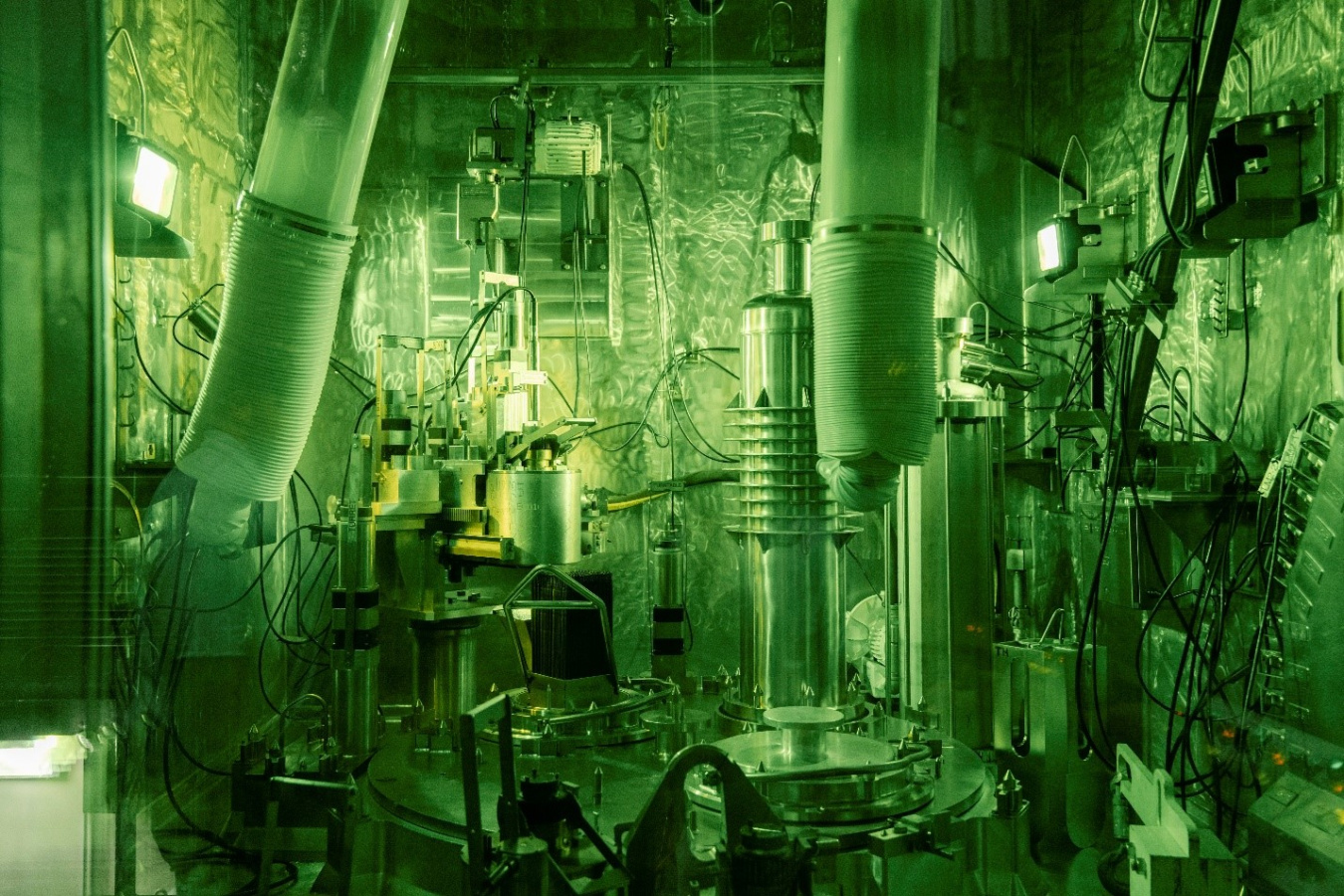
Prior to the extraction process, the Tennessee Valley Authority irradiates Tritium-Producing Burnable Absorber Rods (TPBARs) in their reactors ahead of transport to SRS. SRTE’s Tritium Extraction Facility extracts tritium by breaching and heating the rods. Workers then move the gas through SRTE’s two other manufacturing facilities for processing tritium gas and loading tritium reservoirs acceptable for use in weapons. Once inspected, NNSA delivers these tritium reservoirs to the military.
With a half-life of 12.3 years, tritium must continually be replenished in active nuclear warheads to maintain the integrity of the U.S. nuclear stockpile.