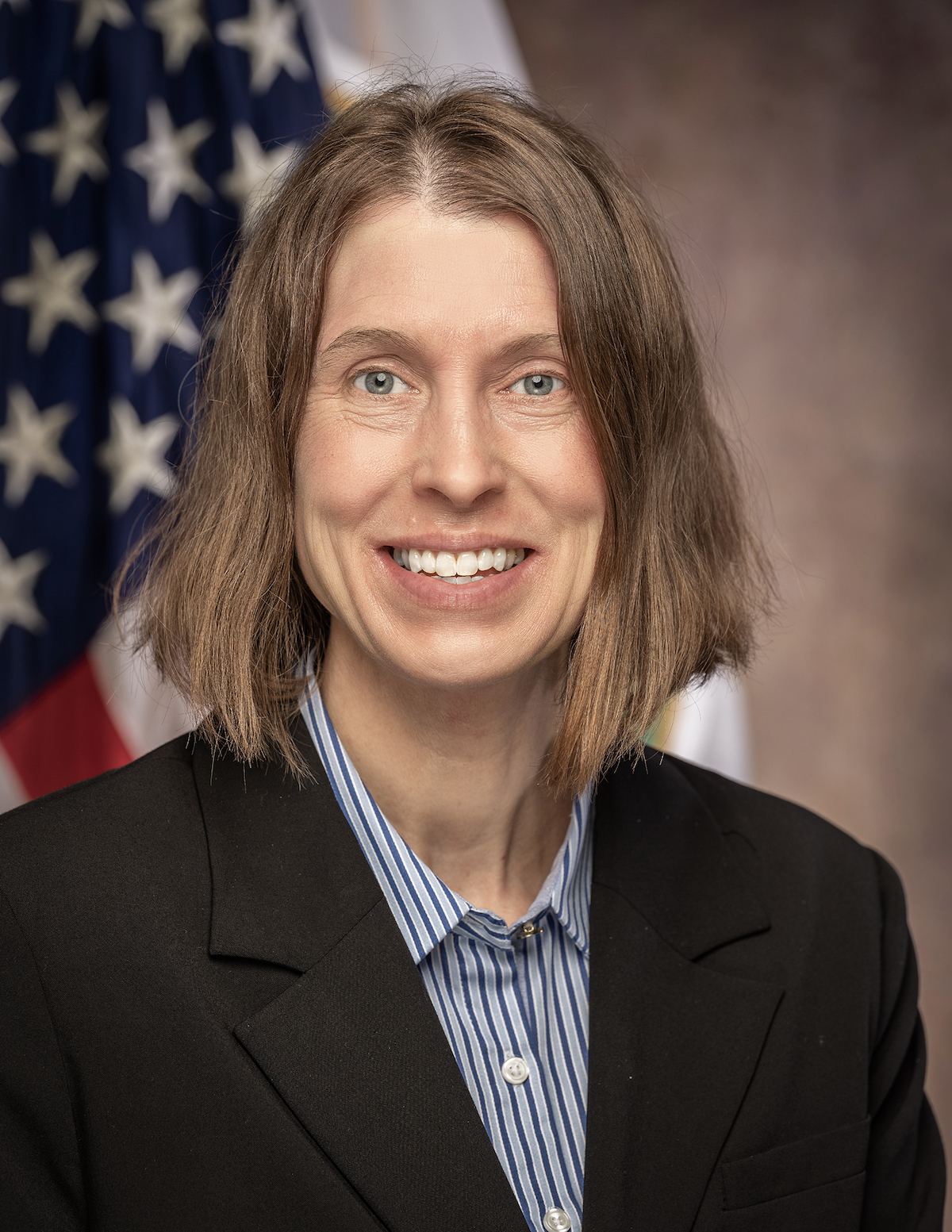
Earth Day is a time for us all to reflect on how well we’re taking care of our planet. As Erin Whitney reflect on her career path as the Arctic Energy Office, she is grateful for opportunities to ensure the sustainability of Alaska and the Arctic.
April 21, 2023 minute read time
The Arctic comprises tight-knit communities where people dig each other’s vehicles out of the snow, share wild harvests, and pull together when times get tough. It’s this same spirit of adventure and cooperation that I hope our office can bring to our work for the Department of Energy. We are here alongside our communities, celebrating and championing them every step of the way.
Earth Day is a time for us all to reflect on how well we’re taking care of our planet. As I reflect on my career path, I’m grateful for the opportunities not only to help ensure the sustainability of my home state of Alaska, but also apply that knowledge to the entire Arctic region and even the world as a whole.
After a childhood spent soaking up all that Alaska had to offer, I left the state for undergraduate studies in the early 1990s. No one was talking about renewable energy in Alaska at that time. My dad had worked for an oil company. We had lived through the Exxon Valdez oil spill. Alaska was known for its oil, natural gas, coal, fisheries, forestry, and mining, among other resources. In college, I majored in chemistry, with concentrations in physics and geology, because the subjects were fascinating. When I took a position as a renewable energy researcher at the National Renewable Energy Laboratory (NREL) in Colorado following my graduate degree in physical chemistry, I loved applying my scientific skills to energy challenges but wondered if I’d ever be able to work on similar challenges at home in Alaska.
It was during nearly a decade at NREL that I saw the energy landscape start to shift in Alaska. Fire Island Wind began commercial operations next to Anchorage in 2012. The state legislature stood up the Emerging Energy Technology Grant/Fund (EETG, EETF) and Renewable Energy Fund (REF) programs, which spurred numerous novel energy projects and demonstrations around the state. And federal investments enabled projects across rural Alaska, to name a few notable developments.
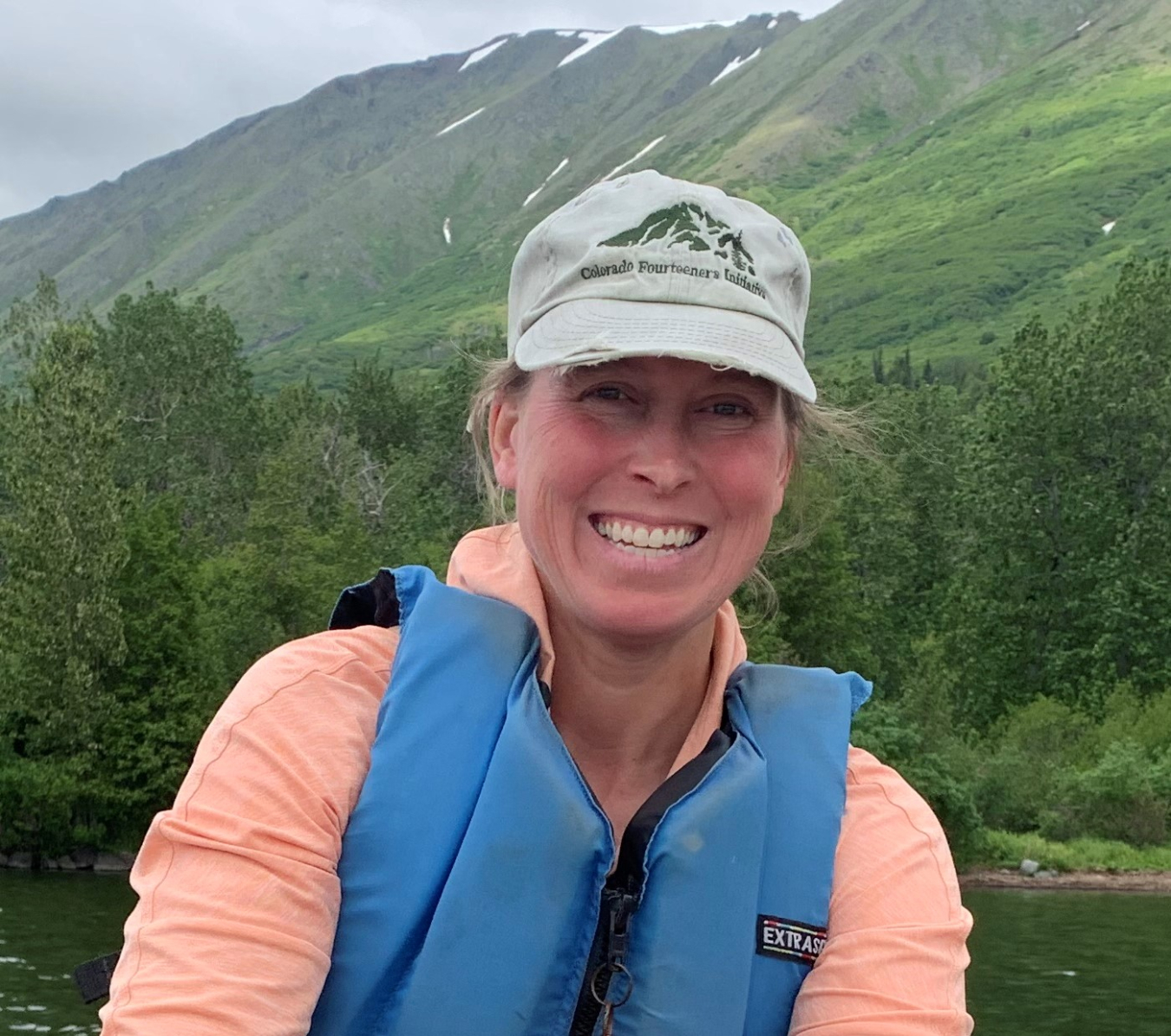
I nursed a long-held desire to return to Alaska to raise my family here. It’s the only place I’ve ever felt whole and grounded, and the everyday connections to the cycles of nature resonate deeply with me. I also wanted to get back home because I saw the potential to make a difference. In 2014, I finally made the leap back home to join the faculty at the nascent Alaska Center for Energy and Power (ACEP) at the University of Alaska. I managed data collection and analysis for the state’s EETF and REF projects. I started the Solar Technologies Program at ACEP, where we kicked off Alaska’s first Solarize campaign--a neighborhood bulk purchasing approach to solar installation--that contributed substantially to Alaska solar energy growth. And we set up a solar test site on the university campus that showed the advantages of bifacial solar panels at high latitudes. I explored connections between food, energy, and water in remote, off-grid communities and started researching hydrogen as a long-term storage option. Along the way, I ran for and was elected to a Board of Directors seat for our local Anchorage cooperative electric utility.
All of these experiences have prepared me for my current assignment leading the Arctic Energy Office, which started in January 2023. The transition from university to federal government brought back the same anticipation and trepidation I had felt when I moved from Colorado back to Alaska. Greeted by a maze of new responsibilities, organizational structures, and new federal colleagues in Washington, D.C. and around the country, I’ve awakened many mornings in a full-on panic and state of overwhelm. This job is certainly not for the faint of heart, and I am drawing on every single one of my experiences and connections.
It has also been thrilling. I’m motivated by the impact our office can have in Alaska as well as the larger Arctic region. At no time in recent history have we had this much national momentum for an energy transition. And I want it to see the Arctic leading the charge!
Our office implements the energy, science, and security priorities of the DOE’s Arctic Strategy. That’s a lot of ground to cover, and I’ve taken to calling my new employer the “Department of Everything.” Our tagline is that “We bring the Arctic to DOE, and the DOE to the Arctic.” We are the only regional office in the DOE system. We also interface with national labs that are doing work in the Arctic and have resources and expertise to share with our northern communities. We’re even in charge of a small sliver of airspace near Oliktok, the farthest north drivable location in the nation!
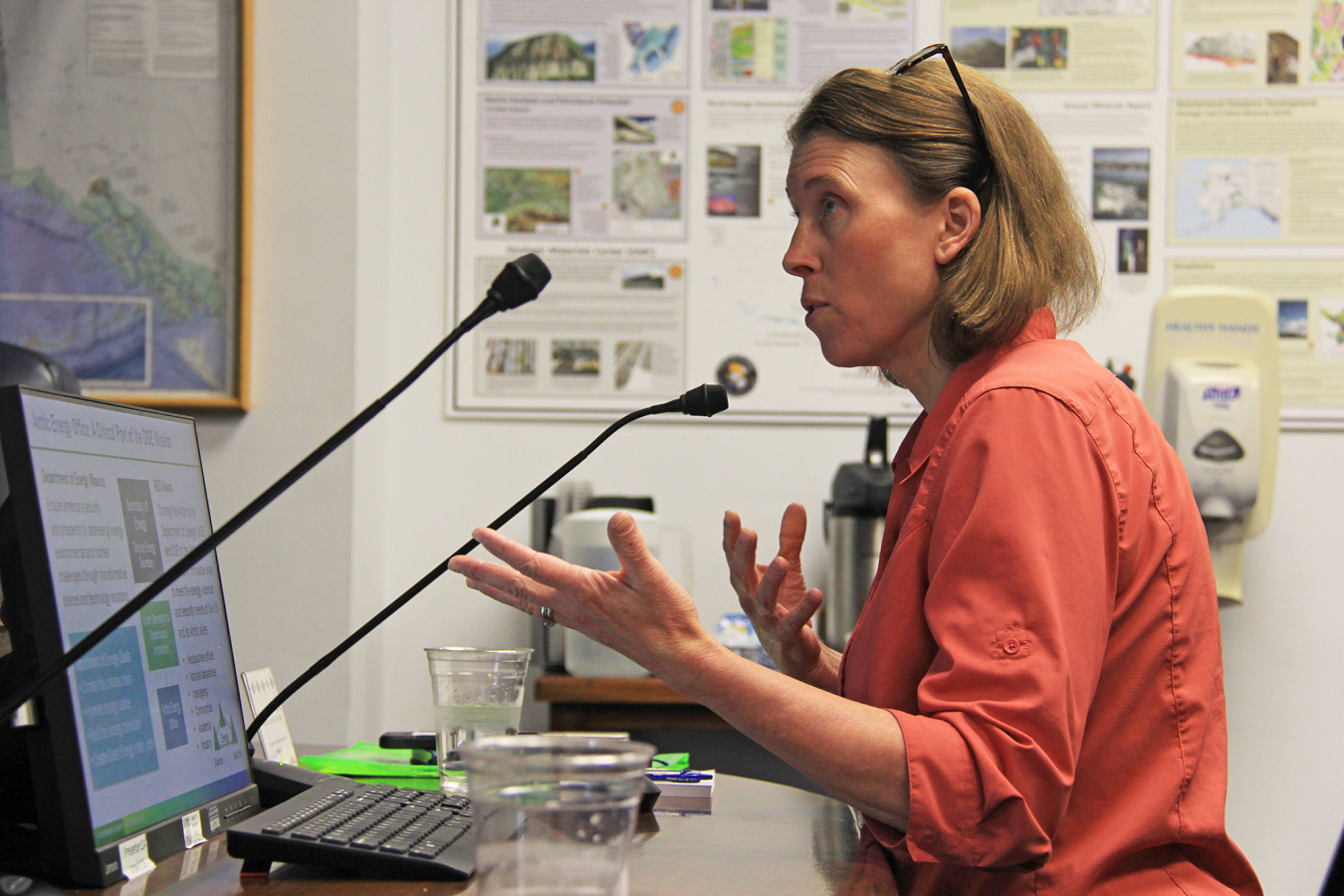
After a few months on the job, my priorities are coming into focus to help us ensure the sustainability for Alaska, the Arctic and the world. These include:
- Facilitating partnerships, demonstrations, and deployments of energy projects;
- Building community workforce and capacity to support energy transitions;
- Organizing and disseminating information on DOE funding opportunities;
- Communicating the value of Arctic energy projects to national priorities; and
- Acting as the front door to DOE for external stakeholders and coordinating across DOE on all Arctic topics.
And the end of the day, this job is personal for me. I want to help ensure the economy and the future of the Arctic--not just as my home but as a vitally important place for our Indigenous Peoples and the rest of the nation--as we demonstrate novel energy technologies, conduct scientific explorations with global ramifications, and ensure our national and international security.
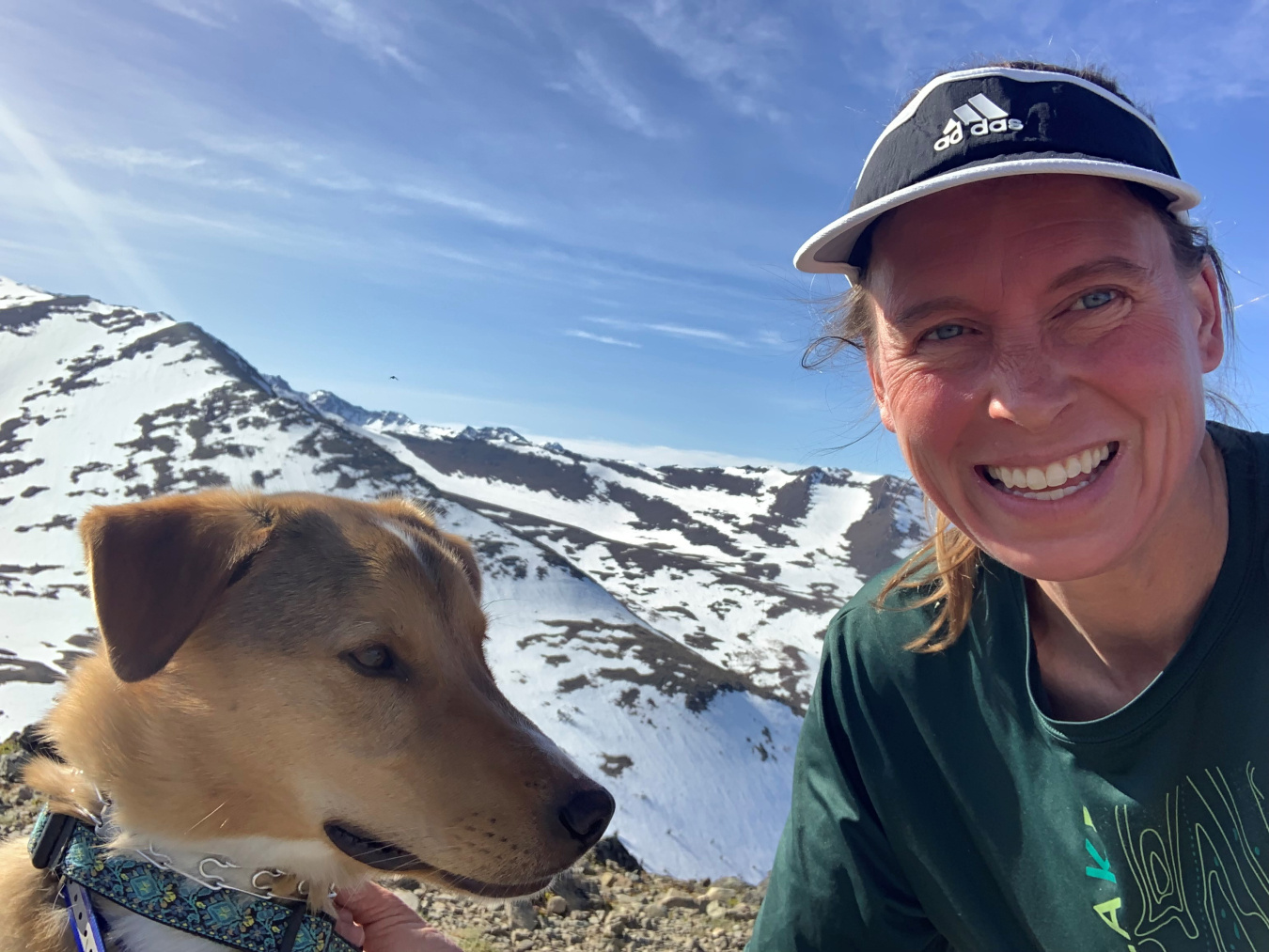
Our family loves living in the Arctic. We have breathtaking mountains and wilderness out our back door. I watched from the driveway with binoculars as my husband skied down one of the peaks in the Chugach Mountains on a recent spring evening. We have world-class, groomed, lighted Nordic ski trails throughout our town in the winter. And we have plugged into other vibrant recreational, art, and intellectual activities in our community. Wild salmon, game and berries that we harvest ourselves are regular parts of our diet.
Because of its size and what some may view as an inhospitable environment--and maybe even as a result of those factors--the Arctic comprises tight-knit communities where people dig each other’s vehicles out of the snow, share wild harvests, and pull together when times get tough. It’s this same spirit of adventure and cooperation that I hope our office can bring to our work for the Department of Energy. We are here alongside our communities, celebrating and championing them every step of the way.