



RSS
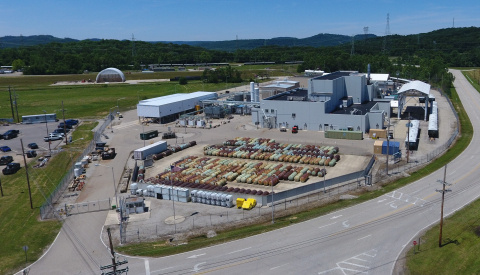
In the latest major cleanup achievement for the U.S. Department of Energy’s Portsmouth Site, crews converted depleted uranium hexafluoride from 4,500 legacy cylinders into safer, more stable chemical forms, representing more than 20% of the site’s cylinder inventory and marking progress toward reducing material left from decades of uranium enrichment.
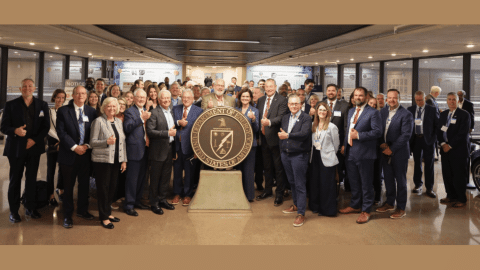
A delegation with record participation by more than 90 local leaders, elected officials and community stakeholders from Paducah, Kentucky, gathered at the U.S. Department of Energy headquarters in Washington, D.C., during the annual Paducah Area Chamber of Commerce D.C. Fly-In to meet with DOE Office of Environmental Management leadership.

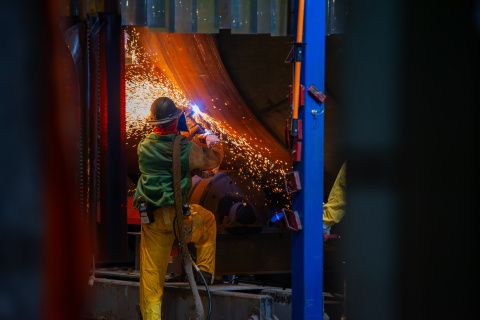
Building on the successful removal of 497 converters from the C-333 Process Building earlier this year, workers effectively segmented the first fissile converter from the second of four former uranium enrichment facilities undergoing deactivation at the U.S. Department of Energy’s Paducah Site.
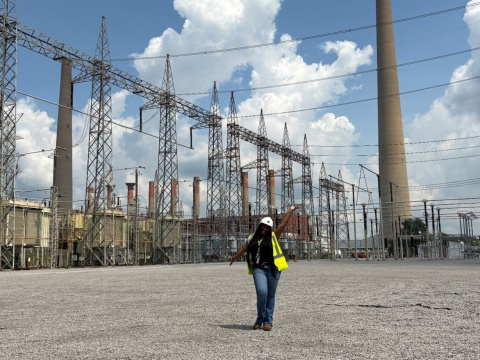
The U.S. Department of Energy’s Office of Environmental Management University Programs are building a workforce pipeline to help complete the legacy nuclear cleanup mission.
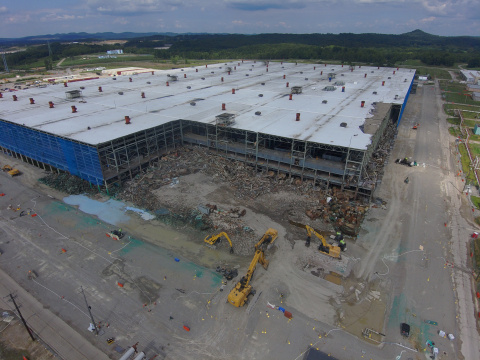
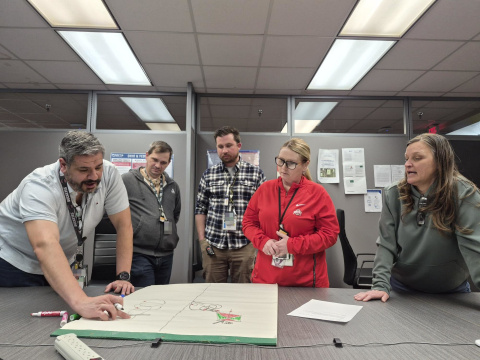
Cleanup teams recently created a new database to keep equipment organized, save money and stick to the schedule of safely and efficiently demolishing a 33-acre legacy uranium enrichment building at the Portsmouth Site.
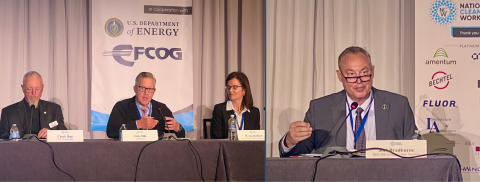
Leaders from the nation’s gaseous diffusion plant complex participated in the “Enriching Communities – A Renewed Purpose for America’s GDP Complex” panel at the National Cleanup Workshop.
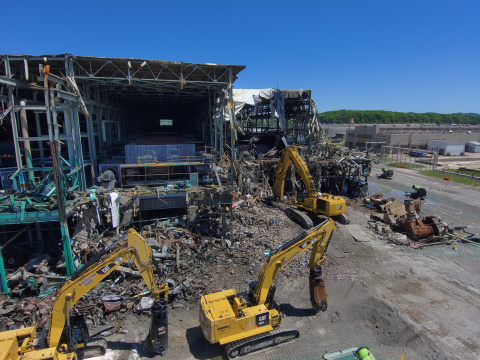
The U.S. Department of Energy’s Portsmouth Site reached a significant milestone in the X-333 Process Building demolition when crews safely took down the 66,000-square-foot southwest corner of the 33-acre facility.
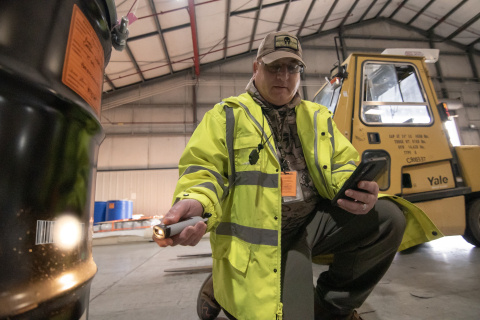
Pens, paper and clipboards are becoming things of the past at the U.S. Department of Energy’s Paducah Site as employees use barcode scanning technology to swiftly inventory thousands of pieces of equipment in a 2.1-million-square-foot legacy facility being prepared for demolition, leading to more efficient cleanup.
What happens when information technology professionals from different organizations are placed on the same team with a shared goal?