



Several U.S. states still have restrictions on nuclear energy development. But what are nuclear moratoriums? And which states have them?
May 19, 2026 Estimated Read Time min
The United States is in the midst of a nuclear energy renaissance. Support for new nuclear power is surging nationwide, bolstered by President Trump’s executive orders directing rapid expansion of the U.S. nuclear industry.
Yet several U.S. states still have restrictions on nuclear energy development called "moratoriums."
So, what exactly is a moratorium? Which states have them? And which states have changed their stance on new nuclear energy?
Let’s dive in.
What Is a Nuclear Moratorium?
Simply put, a nuclear moratorium is a ban or restriction on nuclear energy. But not all moratoriums are created equal.
Some state laws prohibit the construction of new reactors or restrict the state regulatory approval of new technologies or facilities without either voter or legislative approval. Others ban nuclear energy entirely in all or part of the state.
In many states, concerns over the long-term storage of used nuclear fuel led to restrictions until a permanent disposal solution could be found.
Which States Repealed Nuclear Moratoriums?
These six states removed their bans on nuclear energy in recent years:
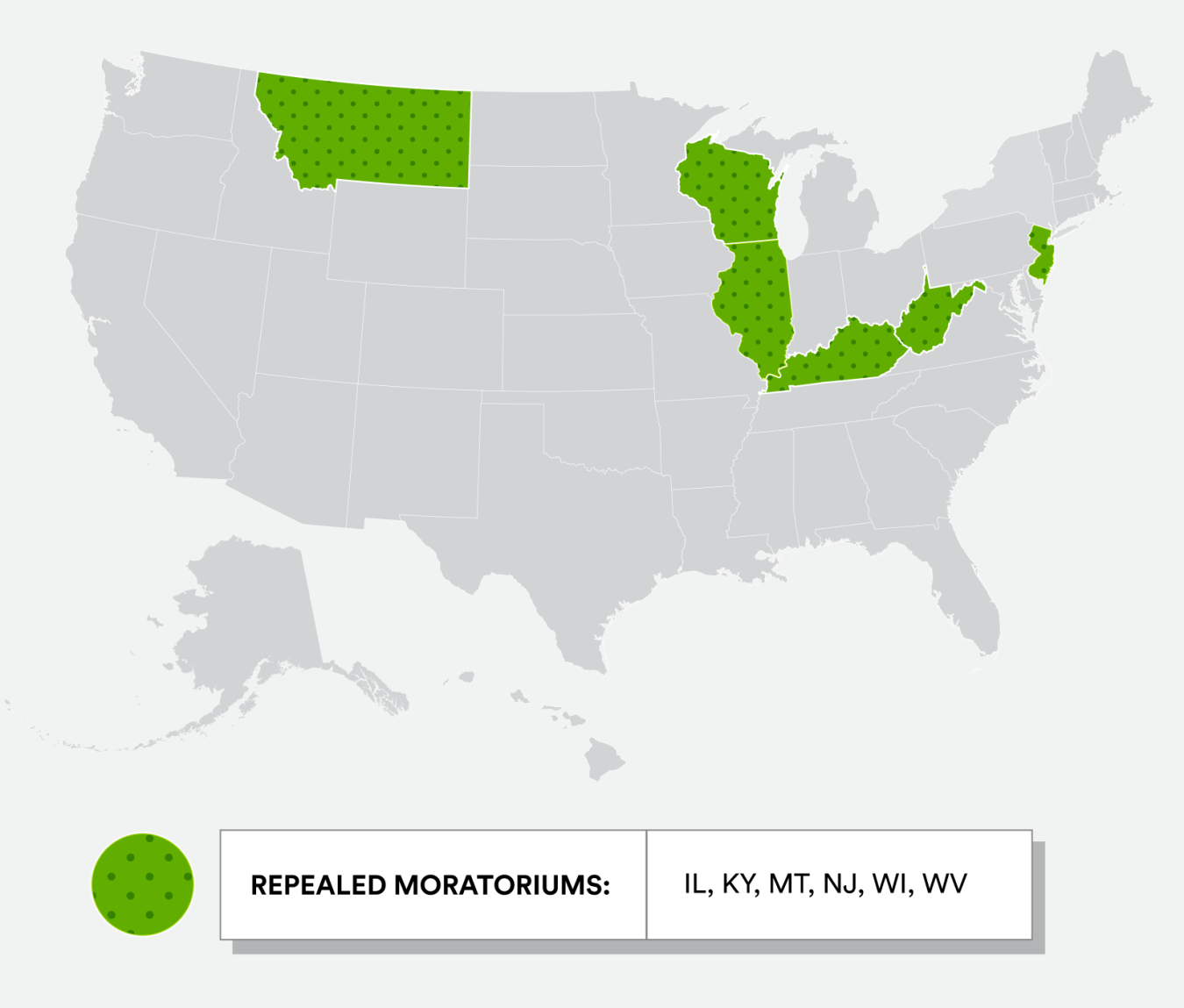
- Wisconsin (2016)
- Kentucky (2017)
- Montana (2021)
- West Virginia (2022)
- Illinois (2026)
- New Jersey (2026)
Wisconsin became the first state to repeal its moratorium in 2016, lifting restrictions that had prohibited nuclear energy development for more than three decades.
Kentucky, Montana, and West Virginia also enacted legislation that opens the door to potential new reactor construction.
Illinois partially rolled back its statewide moratorium in 2023 to allow new reactors up to 300 megawatts, but removed the size limitation in January 2026.
New Jersey repealed its nearly 50-year-old moratorium — one of the nation’s longest-standing nuclear bans — in April 2026.
Which States Still Have Statewide Nuclear Moratoriums?
Since the 1970s, 16 states have instituted bans on nuclear energy in one form or another.
Today, statewide moratoriums remain in place in these eight states:
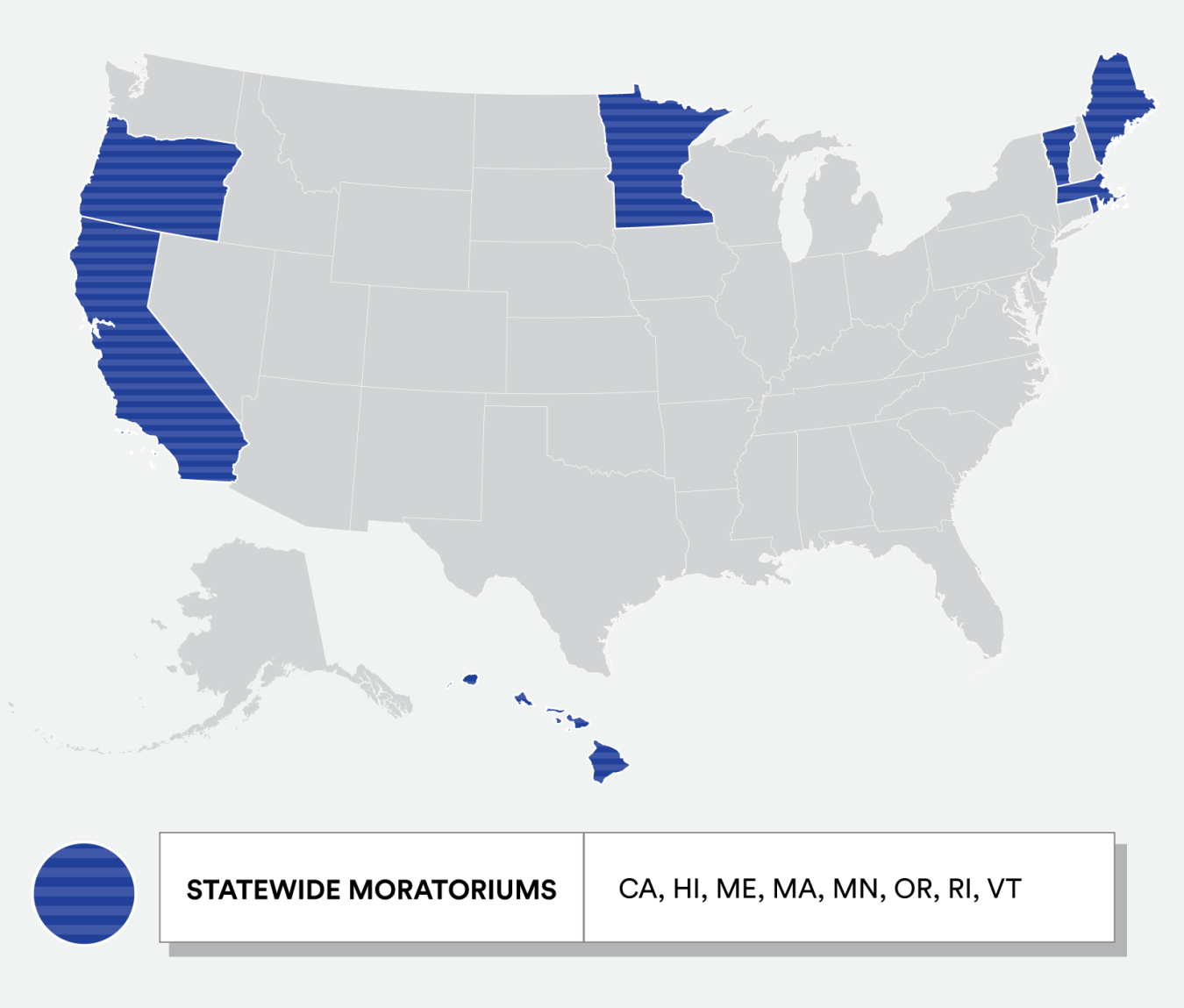
- California
- Hawaii
- Maine
- Massachusetts
- Minnesota
- New Jersey
- Oregon
- Rhode Island
- Vermont
Each state has its own specific set of rules and restrictions.
Minnesota, for example, has banned new reactor construction outright.
Massachusetts doesn’t allow the construction of new nuclear plants unless a list of specific conditions, including statewide voter approval, is met.
Other states, like Rhode Island and Vermont, can only construct nuclear facilities after gaining legislative approval.
Many state moratoriums require that a permanent disposal site for used fuel is created before any new development is considered.
Exceptions & Limitations
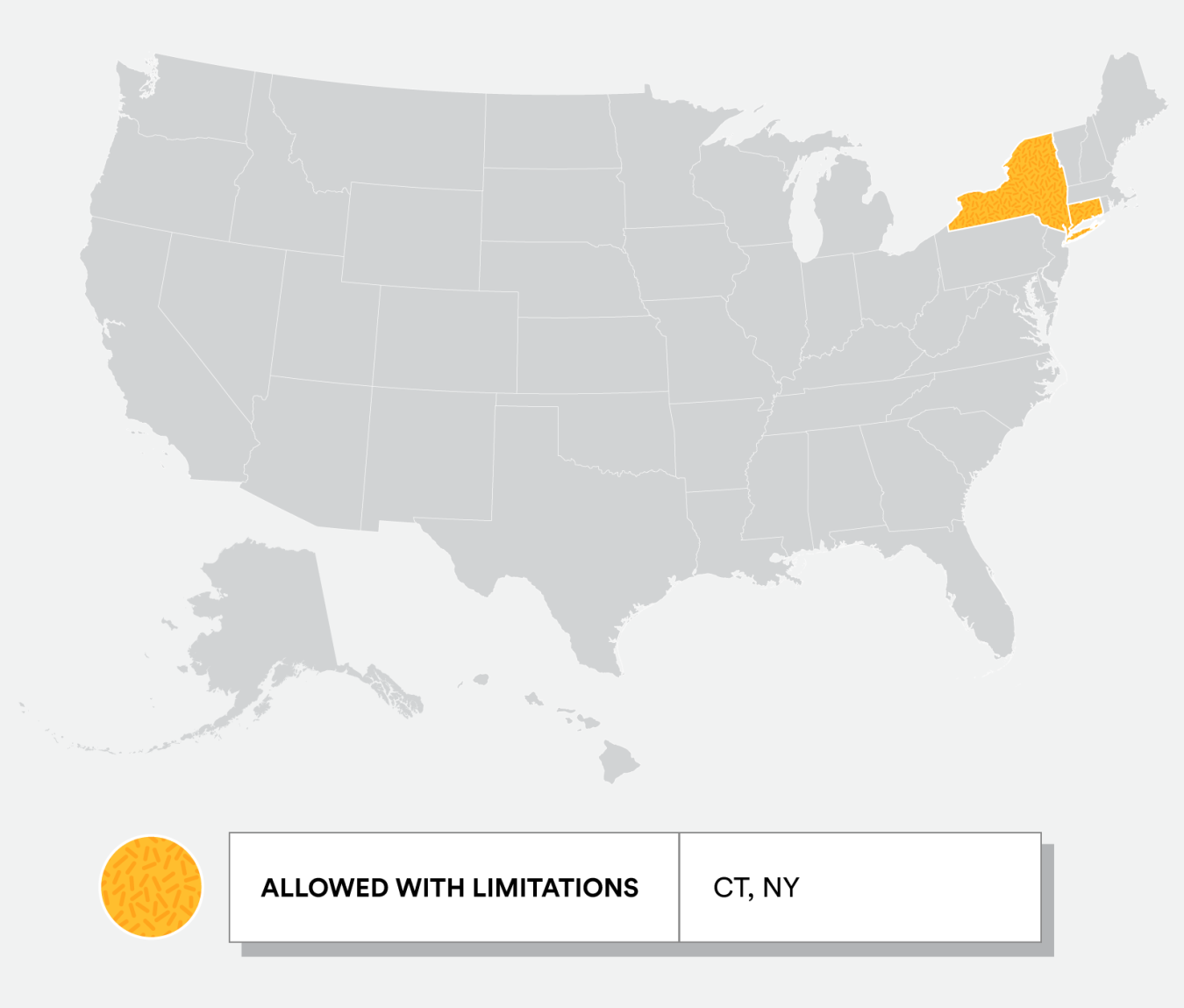
New York has no statewide restrictions on new reactor development — only a narrow moratorium in the service territory of the Long Island Lighting Company — Nassau, Suffolk, and parts of Queens counties.
Connecticut, on the other hand, currently prohibits reactor construction everywhere except the state’s one operating nuclear power plant, an exemption that was created in 2022.
On the Horizon
The U.S. nuclear energy renaissance is in full swing as more states express interest in building new nuclear power, including those that once prohibited it.
DOE is supporting projects that will help meet this wave of interest with a new generation of advanced reactors ready for commercial deployment across the nation.
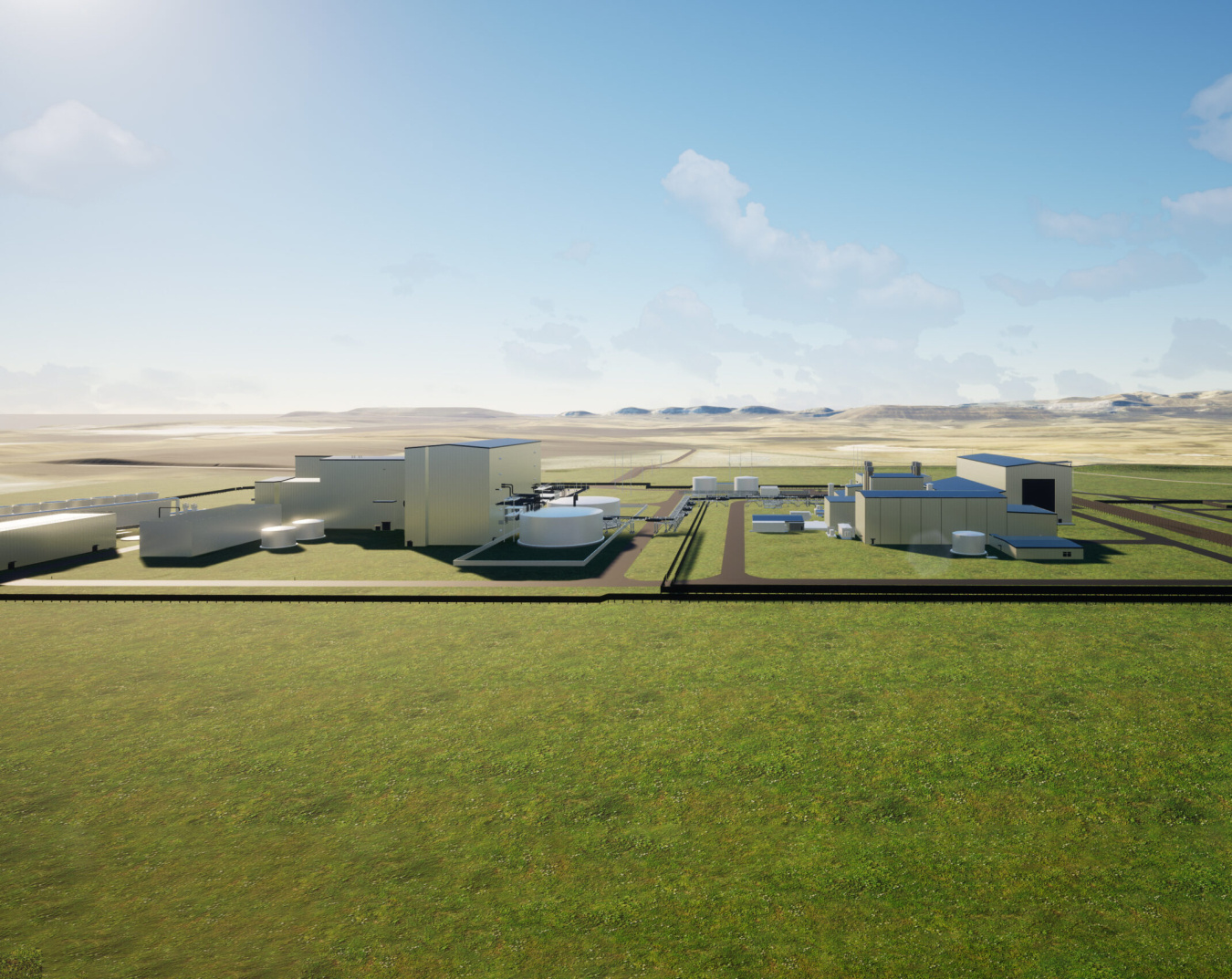
TerraPower, one of DOE’s Advanced Reactor Demonstration Program (ARDP) projects, received a construction permit from the U.S. Nuclear Regulatory Commission (NRC) in March 2026 for its Natrium advanced reactor in Kemmerer, Wyoming — the first construction permit ever issued by the NRC for a commercial non-light-water power reactor. Construction began soon after in April.
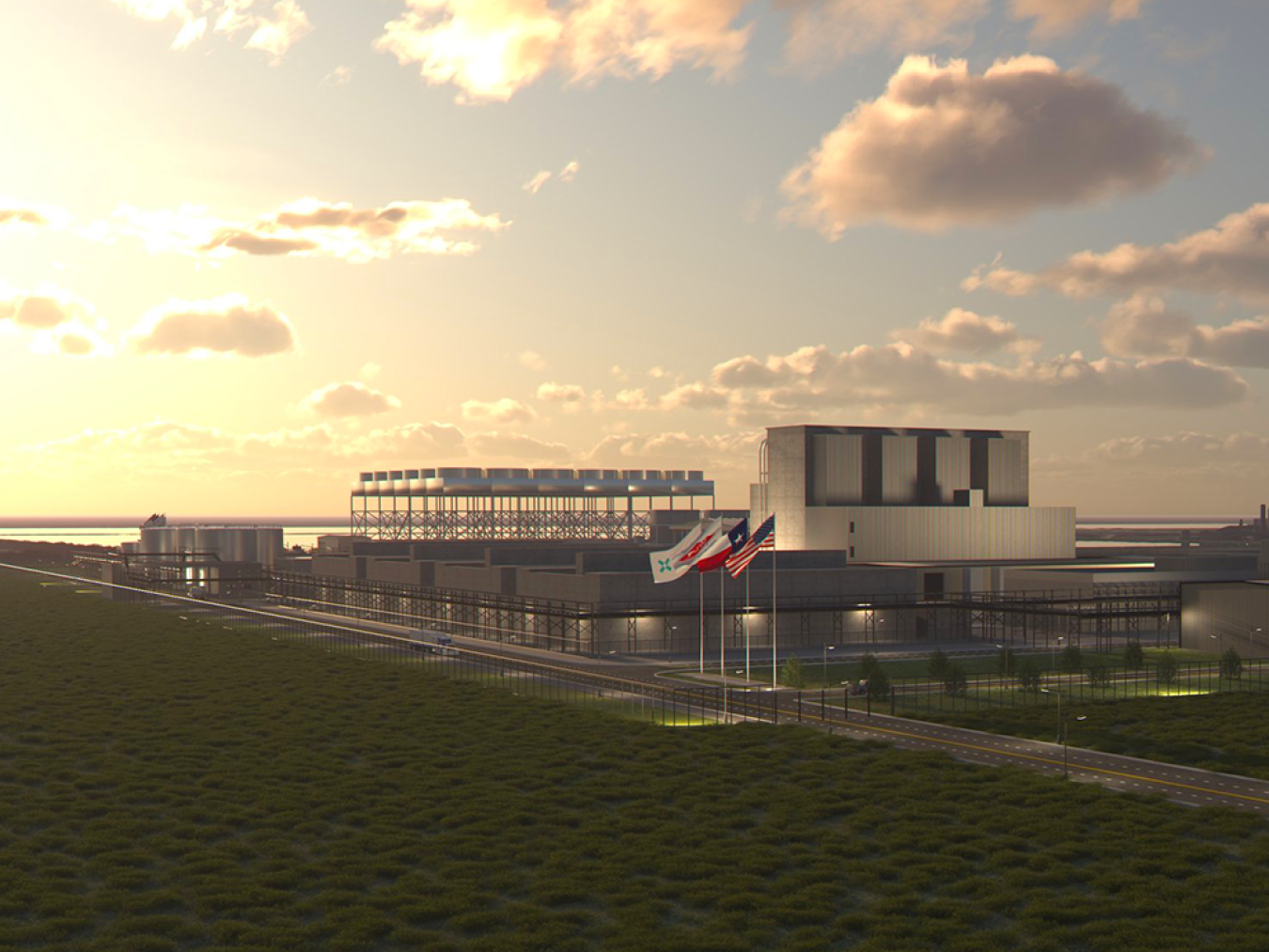
X-energy — another ARDP participant — is partnering with Dow to deploy its Xe-100 reactor at an industrial site along the Gulf Coast.
Additional designs supported by the ARDP could also see deployment early next decade to further support the nation’s nuclear energy expansion.
Created in response to the President’s executive orders, DOE’s Reactor Pilot Program is helping expedite the development, testing and certification of 11 advanced reactor designs.
Building off the Reactor Pilot Program’s success, the National Reactor Innovation Center’s Nuclear Energy Launch Pad will provide streamlined pathways for developers to demonstrate advanced nuclear energy technologies and accelerate commercial deployment across the nation.
DOE’s mission is to help states take full advantage of their nuclear energy potential, to ensure economic prosperity and energy security for generations to come.
*Updated May 2026