



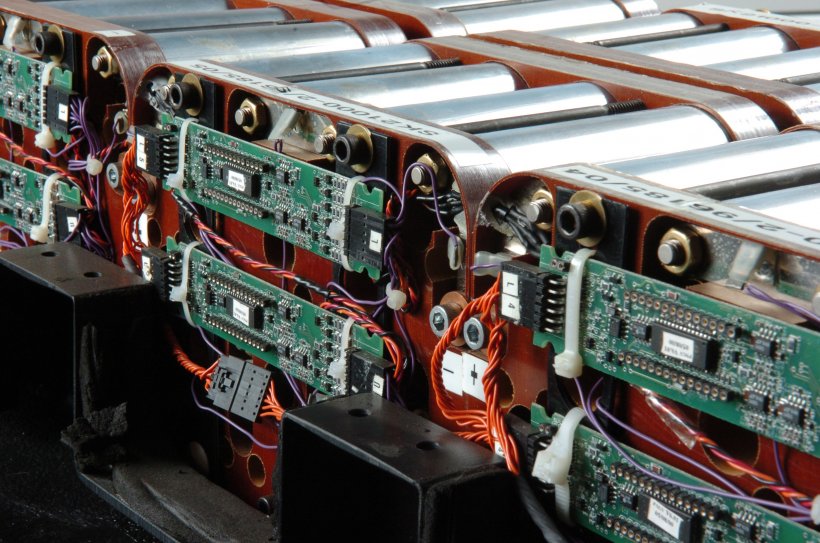
The Transportation Technologies Office’s (TTO) Exploratory Battery Materials program supports fundamental, early-stage applied research to develop the materials and scientific understanding needed for next-generation batteries and new chemistries. Its primary objective is to address the fundamental materials and electrochemical challenges that limit battery performance, lifetime, safety, cost, and scalability. Current priorities include the development of Earth-abundant and domestically available materials, reduced dependence on critical minerals, and technologies that strengthen the U.S. battery supply chain.
Focus Areas
Exploratory battery materials work primarily focuses on developing beyond-lithium (Li)-ion technologies, including:
- Lithium-metal anodes that are higher capacity than traditional carbon-based anodes and advanced silicon-based anodes
- Advanced cathode materials to pair with lithium-metal anodes, such as lithium-sulfur and lithium-air options
- Anode-free batteries
- Sodium-ion systems
- New solid-state electrolytes that offer increased safety and stability compared to current state-of-the-art electrolytes.
Researchers are addressing issues that prevent these technologies from reaching commercialization, including poor cycle life, low power, low performance, and issues with safety. They are investigating a number of potential solutions, including:
- Improving electrolyte/separator combinations so that they result in less dendrite growth when using lithium-metal anodes (dendrite growth can lead to shorts in the battery).
- Developing advanced material coatings.
- Developing new ceramic, polymer, and hybrid structures with high ionic conductivity, low electronic impedance, and high structural stability.
Advanced modeling and characterization techniques help researchers explore how and why battery materials fail in order to propose various solutions to alleviate these problems and enable the technology to transition from the exploratory space to applied R&D.
Battery500 Consortium
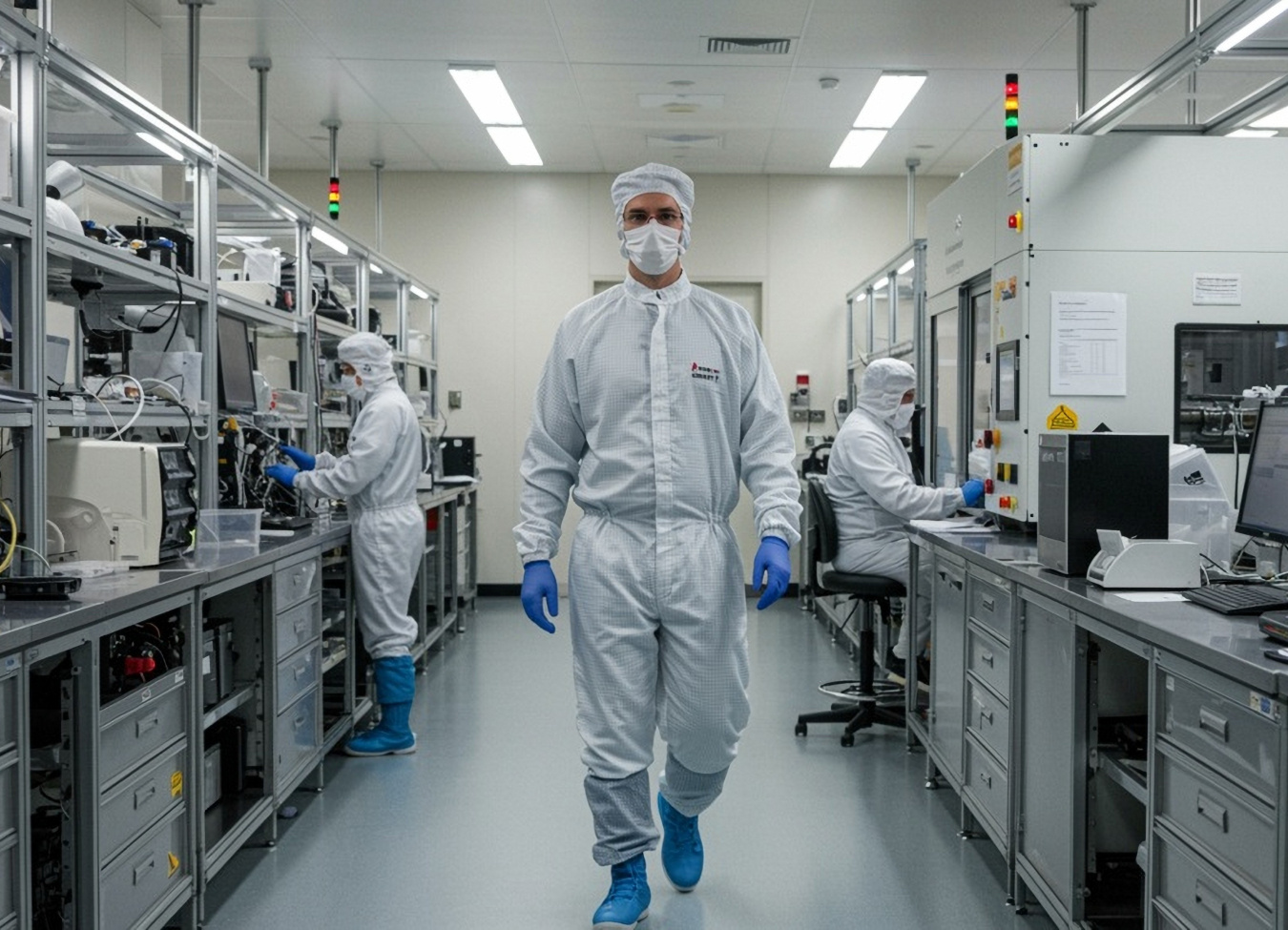
TTO collaborates with National Laboratories on advanced lithium batteries through the Battery500 Consortium, specifically focusing on cell chemistries using the two most promising battery chemistries: lithium-metal anode with high-voltage/high-capacity metal oxide cathodes (e.g. LiNixMnyCo1-x-yO2) or ultra-high-capacity sulfur cathodes. The consortium’s goal is to achieve up to 500 watt-hours per kilogram (Wh/kg) in specific energy and 1,000 charge/discharge cycles at cell costs well below $100/kWh. Through close partnerships with battery/material manufacturers, suppliers, and end users/original equipment manufacturers in the United States, the consortium ensures the technologies being developed are well aligned with industry needs for domestic commercialization and secure supply chains.
Subscribe for monthly updates, success stories, funding opportunities, and more!
This was last updated .