



RSS

New agreement expands information sharing, reduces duplication, and accelerates C-UAS capabilities
In another major Trump Administration national security win, Vermont joins the growing list of states cleared of radioactive cesium. NNSA continues to lead national efforts to remove radiological devices to eliminate their risk and keep Americans safe.
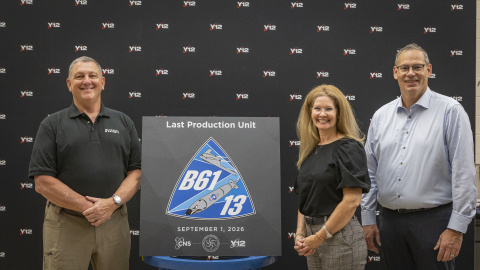
NNSA announced today that the Y-12 National Security Complex has completed production of the B61-13 Canned Subassemblies (CSAs) required to support the last production unit needs for the B61-13 program.
Advancing from Mission Need to a Defined Project in 18 Months
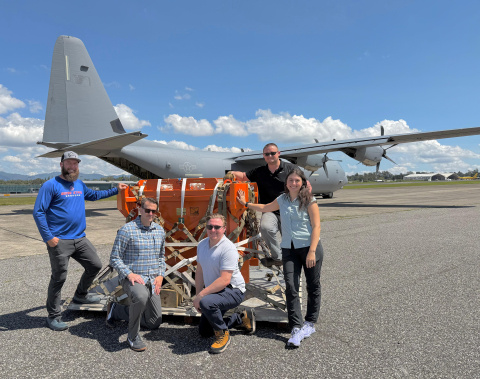
Working together, NNSA and DTRA removed a radioactive cobalt-60 source from a facility in Guatemala. This mission strengthens Americans’ security and keeps high-risk materials out of the wrong hands.
NNSA and Pacific Fusion signed a MOU establishing a framework for public-private collaboration as the company broke ground on its Research and Manufacturing Campus in Albuquerque, NM.
Contract extended through Sept. 30, 2027, while NNSA evaluates proposals
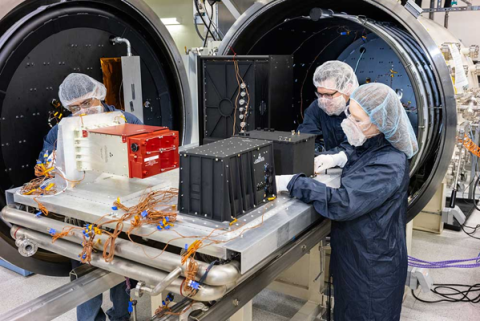
NNSA delivered its fifth next-generation Global Burst Detector sensor payload to the U.S. Space Force this month. They monitor for above-ground nuclear detonations around the world.
NNSA has successfully removed all high-risk cesium-137 material from North Dakota, a major achievement for national security. This milestone marks the 14th state or territory to be declared free of high-risk quantities of this dangerous material.
Proposed public-private partnership would pair a 1-gigawatt data center with on-site energy generation