



RSS
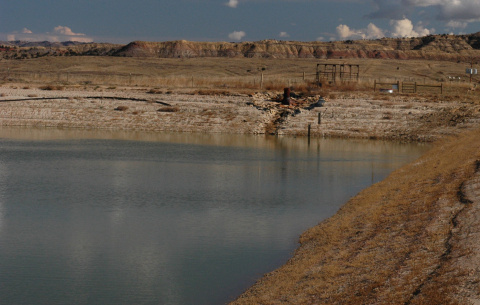


The fossil energy industry creates huge quantities of highly contaminated water as a byproduct. Learn why lowering the cost of treating this wastewater is both a practical necessity and a potential source of many benefits for the American public.
We’re just a little more than halfway through 2022, but at FECM it’s already been a full year. In case you need a refresher on all our team has been doing over the past seven months, we pulled together the highlights—enjoy!
Learn about two new interactive resources – the Carbon Matchmaker Tool and the Carbon Management Interactive Diagram – designed to assist with advancing carbon management technologies and infrastructure in the United States.
Download updated fact sheets on state-level flaring and venting regulations and get key takeaways on the 2019 and 2020 data from the Office of Fossil Energy and Carbon Management’s Division of Methane Mitigation Technologies.
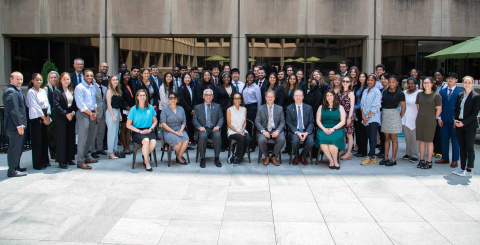
Read our recap of this year's Mickey Leland Energy Fellowship (MLEF) program kickoff event to hear how FECM Assistant Secretary Brad Crabtree and other speakers encouraged the 27th MLEF class to make the most of their opportunities this summer.
Learn more about Steve Yang, one of the students conducting STEM research through FECM's Historically Black Colleges and Universities and Other Minority Institutions (HBCU-OMI) Program.
Hear firsthand from Mr. Crabtree about joining FECM and please join us in welcoming him to the office.
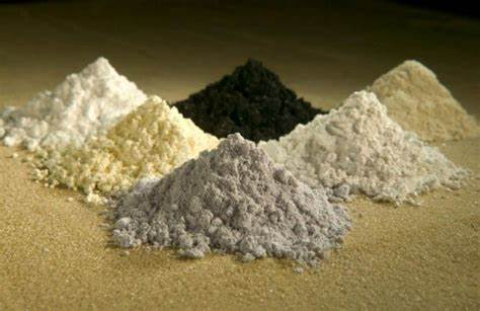
FECM is collaborating across the agency and with the country’s National Laboratories to develop pathways that will increase our ability to produce critical minerals domestically.
Learn more about Xian Wang, one of the students conducting STEM research through FECM's Historically Black Colleges and Universities and Other Minority Institutions (HBCU-OMI) Program.
FECM's new report informs the public about the safe and effective deployment of industrial-scale underground hydrogen storage in the United States,